
 ع
ع


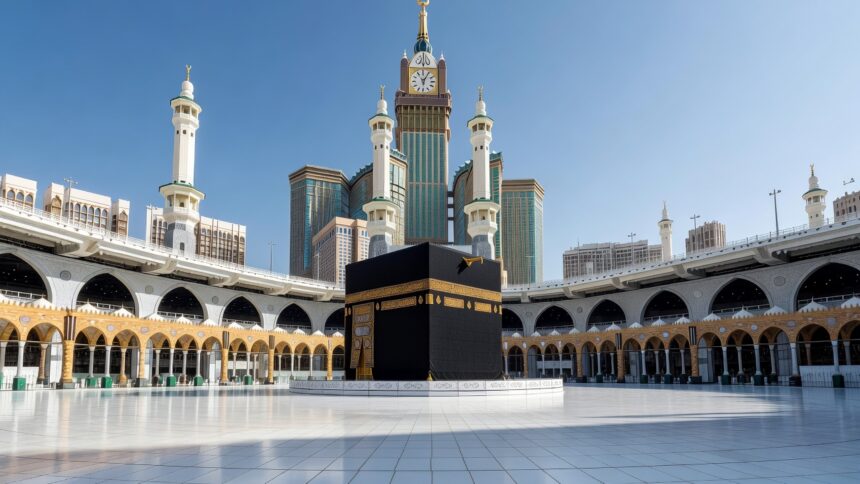
The National Center for Performance Measurement of Public Entities, known as Adaa, released figures showing Saudi Arabia received 19.5 million pilgrims and Umrah performers from abroad throughout 2025. Adaa reported a satisfaction rate exceeding 90 percent among those visitors for the services provided during their journeys. The center tied the results directly to improvements in infrastructure and operational efficiency across the holy sites. Such outcomes arrived as authorities continued expanding capacity at key entry points including airports and land borders.
Adaa noted that the record figures reflect the rapid development of services for pilgrims and Umrah performers in alignment with Saudi Vision 2030 targets. The center highlighted how enhanced coordination among government entities contributed to smoother experiences for international visitors. Officials at Adaa pointed to ongoing upgrades in transportation networks and digital registration systems as factors supporting the higher throughput. These advancements have allowed the Kingdom to manage larger groups without compromising the quality of religious rites.
The official Vision 2030 platform states that the program seeks to increase annual Umrah capacity to 30 million pilgrims by 2030 as part of broader economic diversification efforts. That target builds on the 2025 results by focusing on year-round religious tourism rather than seasonal peaks alone. Planners have emphasized the need for additional hotel capacity and improved crowd management technologies to reach the goal. Progress toward the benchmark has already prompted investments in Madinah and Makkah infrastructure projects.
The General Authority for Statistics reported that Umrah performers exceeded 15 million during the first quarter of 2025, offering a snapshot of the year’s momentum. GASTAT data showed that external Umrah visitors reached more than 6.5 million in that period, marking a 10.7 percent increase from the prior year. The authority added that males accounted for 60.5 percent of total Umrah performers while females represented 39.5 percent. Domestic participants, including both Saudis and residents, formed a substantial share of the quarterly total.
DataSaudi figures placed the number of Hajj pilgrims in 2025 at roughly 1.67 million, with the vast majority arriving from overseas. The platform indicated that external pilgrims comprised more than 92 percent of that group while internal pilgrims made up the remainder. Gender breakdowns revealed slight variations between the two categories, with men forming the larger portion in both. These Hajj statistics complement the wider annual totals for religious visitors.
Analyses connected to the Vision 2030 framework describe the pilgrim sector as a significant contributor to non-oil economic activity through spending on accommodation, transport and related services. The program has identified hospitality, retail and logistics as primary beneficiaries of sustained growth in visitor numbers. Job creation in those fields has expanded in tandem with rising demand for specialized support during peak seasons. Such economic effects have reinforced the sector’s role in the national development strategy.