ع



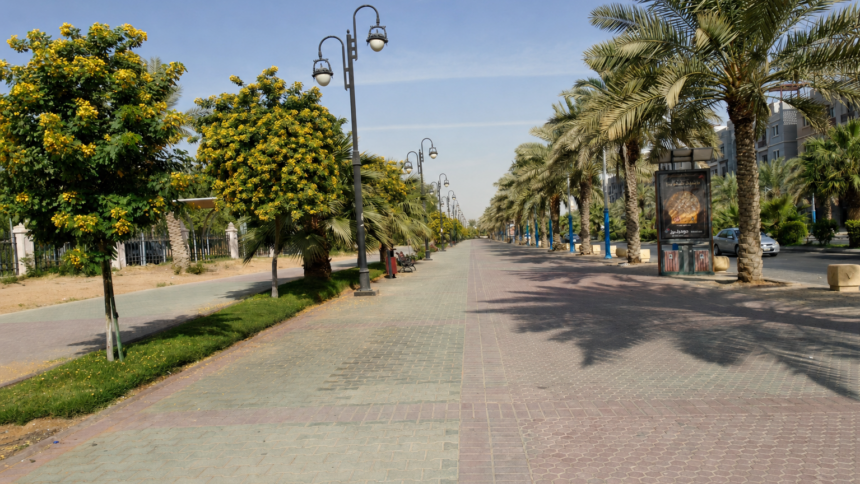
The General Authority for Statistics has reported that 59.1 percent of adults aged 18 and above in Saudi Arabia engaged in physical activity for 150 minutes or more per week based on its 2025 survey. According to the authority, this rate stood at 66.5 percent for males and 43.1 percent for females. The findings drawn from the National Health Survey and population estimates highlight a notable gender gap in activity levels across the kingdom. Self-reported data formed the basis for these calculations as outlined in the GASTAT publication.
Age played a significant role in activity participation with the 18-29 group achieving the highest rate of 71.2 percent, GASTAT figures show. Participation dropped to 62.6 percent for those aged 30-39 and continued declining in older brackets. Individuals aged 80 and above recorded the lowest level at 3.5 percent. The authority’s analysis indicated that physical activity tends to decrease as people grow older.
Among those who engaged in physical activity commuting through walking or cycling ranked highest at 57.1 percent according to the statistics bulletin. Work-related activities accounted for 43.9 percent while non-work related physical activity came in at 37.8 percent. These breakdowns provide insight into how Saudis incorporate movement into their daily routines. The General Authority for Statistics emphasized that the data reflects self-reported behaviors from respondents.
For younger residents the report found that 19.0 percent of children and adolescents between 5 and 17 years old met the target of 60 minutes of daily physical activity. Males in this group recorded 23.3 percent while females stood at 14.4 percent. Additionally 34.6 percent of children and adolescents spent one to two hours per day on sedentary activities such as watching television or using electronic devices outside of school hours. GASTAT compiled these youth statistics from the 2025 Women and Child Health Survey.
The 2025 results mark an improvement over the 58.5 percent recorded in the 2024 Physical Activity Statistics from the same authority. This slight uptick suggests growing awareness or opportunities for exercise among the adult population. The methodology remained consistent relying on self-reported data supplemented by official population projections. Such longitudinal comparisons allow tracking of trends in national health behaviors over time.
The General Authority for Statistics publishes these indicators to support health planning and policy development in the kingdom. Its latest bulletin combines inputs from multiple surveys to create a detailed picture of physical activity patterns. Officials noted the importance of accurate measurement while acknowledging limitations inherent in self-assessment methods. Further details are available in the full publication released by the authority.