

 ع
ع


The GCC foreign ministers convened their consultative meeting virtually on Tuesday as Saudi Foreign Minister Prince Faisal bin Farhan participated from Riyadh, according to details released afterward. Ministers from the six member states exchanged views on the latest developments across the region while assessing ongoing negotiations aimed at de-escalating tensions. The session underscored a shared commitment to bolstering collective security measures and promoting stability through coordinated diplomatic action among the bloc’s members.
Participants reviewed efforts to advance practical understandings that could reduce tensions and reinforce regional security frameworks, a GCC readout from the gathering indicated. Discussions highlighted the need for sustained engagement in talks that prioritize mutual interests across Gulf states. Such consultations build on a series of high-level meetings held throughout 2026 to address evolving challenges.
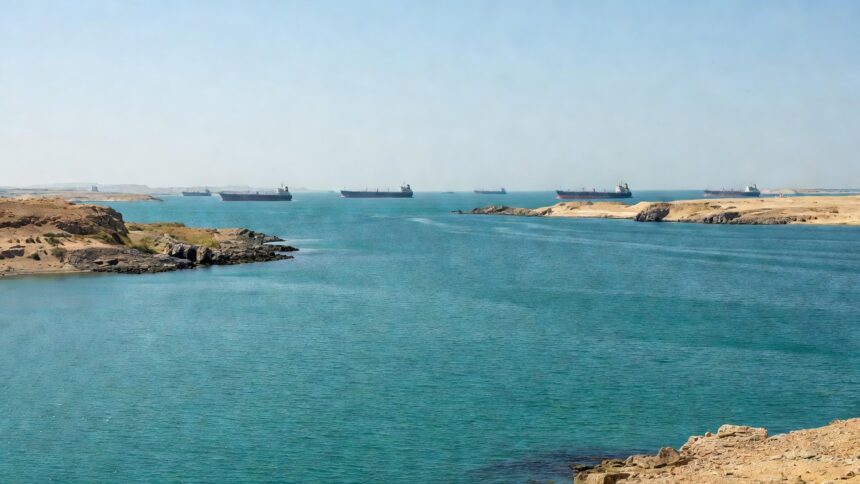
The ministers focused particular attention on the Strait of Hormuz, examining ways to strengthen coordination on freedom and safety of navigation in the vital waterway. They emphasized ensuring rights of passage and transit along with the uninterrupted flow of shipping, trade and supplies in line with international law. Officials also stressed the importance of safeguarding the sovereign rights of all Gulf littoral states in any arrangements affecting the strait.
According to the meeting summary, the ministers stressed the importance of continuing joint cooperation while prioritizing political and diplomatic solutions. They called for creating conditions conducive to confidence-building and achieving mutually acceptable solutions for all parties involved. This approach reflects the GCC’s consistent position favoring dialogue over confrontation in addressing security threats.
The July 28 session continues a pattern of GCC ministerial engagements that intensified earlier in 2026 amid heightened regional conflicts, the Security Council Report noted in its coverage of UN-GCC cooperation. Extraordinary meetings in March addressed Iran’s aggression toward GCC countries and Jordan, culminating in UN Security Council Resolution 2817 that condemned the strikes and demanded an immediate cessation. A subsequent gathering with Russia and Jordan, as detailed by Oman’s Foreign Ministry, examined the war’s repercussions including disruptions to energy supplies and navigation through the Strait of Hormuz.
Further ministerial talks with the United States and the European Union reinforced the bloc’s focus on collective defense and stability, joint statements from those sessions showed. The consultative format allows for rapid alignment on emerging issues without the full machinery of a summit. These repeated gatherings demonstrate the GCC’s proactive stance in navigating complex geopolitical pressures affecting its members.