ع



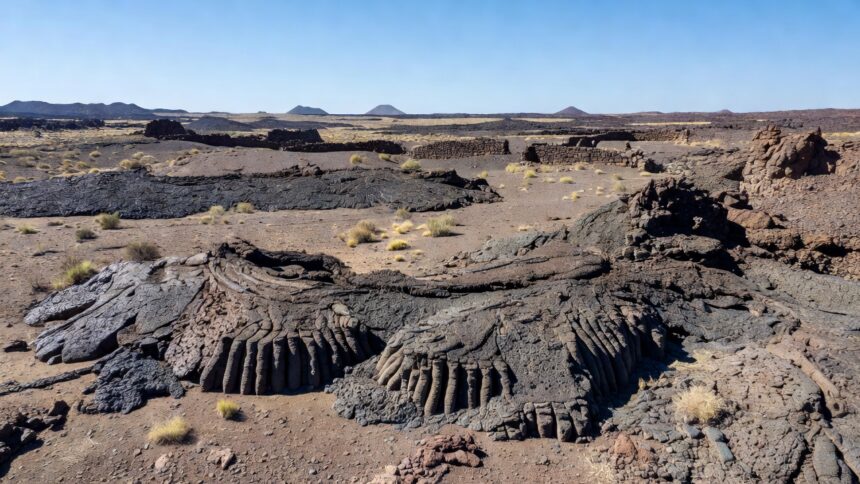
The Saudi Geological Survey announced that the basalts of the harrats in western Saudi Arabia have secured designation as the first IUGS Heritage Stone from the Kingdom following a formal proposal that underwent expert evaluation. A study published in the Geoheritage journal in April 2026 by Károly Németh and co-authors including Mohammed Rashad Moufti provided the detailed scientific case that supported the listing. The survey noted that the recognition underscores the stone’s historical ties to human settlement patterns and traditional construction methods that have defined the region’s identity for thousands of years. This step also opens pathways for increased international scientific collaboration on geoheritage initiatives.
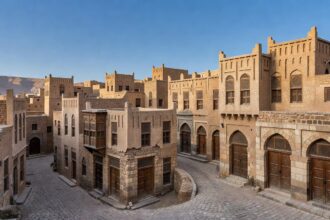
According to the IUGS Subcommission on Heritage Stones an IUGS Heritage Stone designation requires demonstrated use in significant architecture and monuments coupled with comprehensive documentation of its petrographic characteristics and quarrying history. The organization had ratified 55 such stones prior to 2026 when the Harrats Basalt was added to its official list. The IUGS maintains a dedicated page that illustrates the stone’s application in landmarks such as the Masjid Al-Ghamama in Al Madinah where precisely crafted basaltic blocks lend a distinctive light appearance to the structure. Rigorous review by a voting committee confirmed the stone’s combined geological and cultural values before final ratification.
A Springer Nature article outlining the proposal explains that the Arabian Plate formed approximately 25 million years ago through rifting from Africa which created the Red Sea and set the stage for widespread volcanic activity. The resulting harrats form the largest Neogene-Quaternary flood basalt province on Earth stretching continuously from Yemen toward the Levant according to the researchers’ mapping. These volcanic fields dominate the landscape of western Saudi Arabia and have influenced both natural environments and human development since the Paleolithic era. The basalts’ role extends beyond geology into cultural narratives that the designation now formally elevates.
The IUGS documentation places the practical use of harrats basalt in construction and tool-making back to Neolithic times with some evidence suggesting even earlier Paleolithic applications for axes grinding stones and building features. Local populations incorporated the durable material into stone walls and architectural elements that supported early communities across the volcanic terrain. Continued use through Islamic periods and into contemporary design reflects the stone’s enduring relevance as highlighted in the IUGS assessment. This historical continuity formed a central element of the successful heritage nomination.
The Saudi Geological Survey stated that the IUGS listing aligns with Vision 2030 goals by promoting the Kingdom’s geological assets and enhancing global cooperation on heritage protection for future generations. The designation is expected to stimulate further research into the stone’s properties while supporting conservation of associated sites across the western harrats. Officials emphasized that the recognition elevates Saudi Arabia’s profile within international geoheritage networks that already include comparable volcanic resources from other nations.
Researchers who prepared the Geoheritage submission observed that the harrats basalts share traits with other recognized volcanic heritage stones such as the Lalibela basaltic scoria from Ethiopia which received IUGS status for its parallel cultural and architectural contributions. The Saudi addition broadens the IUGS collection to encompass Middle Eastern geological heritage more fully for the first time. Publication of the supporting study in an open-access format has allowed wider dissemination of the petrographic and historical data that justified the listing.