ع



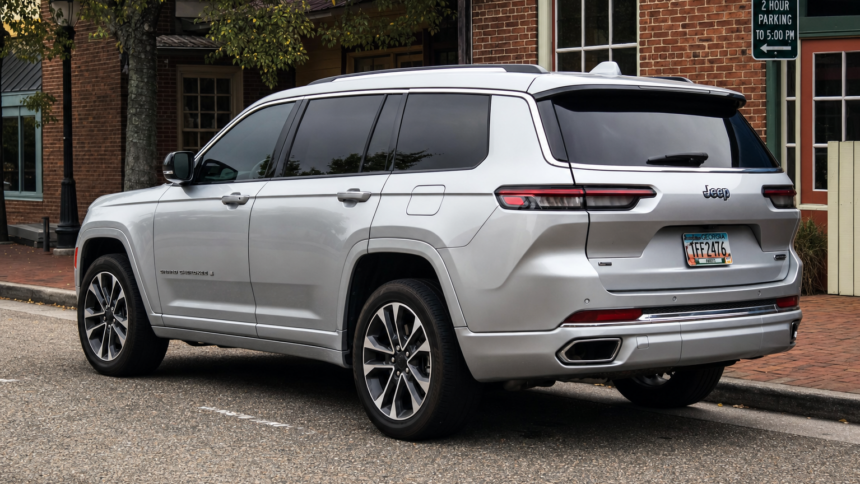
The Saudi Ministry of Commerce has recalled 391 Jeep vehicles over a fault that may prevent the tire pressure monitoring system from issuing accurate warnings. The campaign targets specific Jeep models sold in the kingdom, according to the authority’s announcement. Affected owners should schedule an appointment with authorized dealers for a software update that addresses the defect at no cost. This step follows standard procedures for such safety campaigns.
The defect involves the radio frequency hub module software, which can lose reference tire pressures needed to detect significant under-inflation. As a result, the warning light may not illuminate when required, leaving drivers unaware of potential tire issues. The U.S. National Highway Traffic Safety Administration identified the same problem in its investigation that began in August 2025.
NHTSA data places the total affected vehicles in the United States at 201,976 across various Jeep lines including the Grand Cherokee and Wagoneer families. Production dates for the recalled units range from 2024 to 2026, with the Grand Cherokee accounting for the largest share at 113,647 units. The regulator determined that the vehicles fail to comply with Federal Motor Vehicle Safety Standard 138 as a consequence of the software error.
Owners in Saudi Arabia can check whether their vehicle is part of the recall by visiting the Recalls.sa platform operated by the Ministry of Commerce. Entering the vehicle identification number allows instant verification of campaign details and required actions. The platform, which coordinates with manufacturers and distributors, has processed multiple vehicle recall inquiries in recent years.
A similar recall campaign for other Jeep models was announced by the ministry earlier in 2026, covering 216 Grand Wagoneer vehicles over a door frame separation risk. That action highlighted the potential for parts to detach while driving, increasing accident hazards. The latest tire pressure campaign follows the same protocol of free repairs through official service centers.
Industry figures from regulatory bodies show that tire-related defects remain a common trigger for vehicle recalls worldwide. Proper tire pressure is essential for vehicle stability, fuel efficiency and tire longevity, according to safety experts. Drivers are advised to continue regular manual checks even when the monitoring system is functioning normally.