
 ع
ع


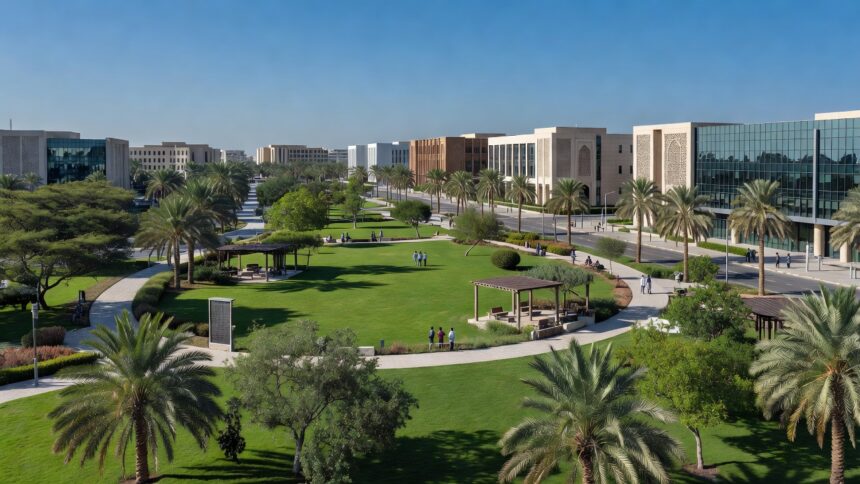
The Ministry of Health announced that four additional municipalities have satisfied the requirements for World Health Organization accreditation as healthy cities, bringing Saudi Arabia’s total to 21 and extending its standing as the regional leader in the Eastern Mediterranean and North Africa. Abha, Muhayil Asir, Tarib and King Khalid University City completed the evaluation process that verifies compliance with international benchmarks for urban health and sustainability. The ministry’s update, issued August 30, 2026, aligns these designations with broader national objectives under Saudi Vision 2030 that prioritize quality of life through preventive health measures and integrated urban planning.
Accreditation as a healthy city demands fulfillment of 80 international criteria distributed across nine core domains, the Ministry of Health explained in its program documentation. Those domains encompass community empowerment for health and development, intersectoral partnerships, establishment of community information centers, skills development and capacity building, health service delivery, urban environment standards covering water, sanitation, food safety and air quality, emergency preparedness, education initiatives and support for small enterprises. Saudi cities have progressively met these thresholds through coordinated efforts involving multiple government entities, resulting in environments that promote both physical and mental well-being while reducing lifestyle-related chronic diseases.
The Healthy Cities Programme operated by the Ministry of Health functions as the first WHO collaborating center for the initiative in the Eastern Mediterranean Region and the fourth such center worldwide, according to ministry statements. This designation has enabled the kingdom to scale its efforts since adopting the WHO framework in 1998, when it initially registered 30 cities in phased participation. Earlier ministry reports placed the number of accredited cities at 16 in November 2025 before incremental additions, including Hail in April 2026, expanded the roster further toward the current total of 21.
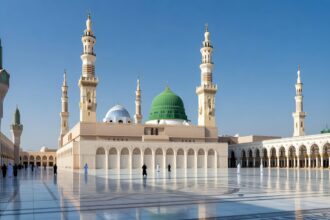
Among the accredited locations listed on the ministry’s program page are Diriyah, Jalajil, Ghat, Zulfi, Al-Jamoum, Jeddah, Taif, Madinah, Al-Khobar, Tabuk, Al-Aridah, Sharurah, Al-Mandaq, Princess Nourah University, Unaizah and Riyadh Al-Khabra. Jeddah and Madinah hold the additional distinction of designation as mega healthy cities, the first in the WHO Eastern Mediterranean Region, a ministry release noted in connection with their larger population coverage. One-third of the Saudi population, approximately 9 million residents, now lives in these WHO-recognized environments that integrate health considerations into all aspects of municipal governance.
The ministry has emphasized that the program reframes health as a shared responsibility extending beyond clinical services into urban planning, education, environmental management and daily community life. Coordination occurs through the Ministerial Committee for Health in All Policies, which unites efforts across governmental bodies to embed these standards into development projects. Previous accreditations, such as Al-Khobar’s certification in July 2024, highlighted strengths in public parks, walking trails, school-based health promotion and primary care integration, elements that recur in the evaluations of newer additions.
WHO assessments have recognized Saudi Arabia’s sustained investment in health-promoting urban development as a model that advances sustainable development goals, the Ministry of Health reported in summaries of international feedback. The kingdom’s progress builds on participation in global forums where its cities have presented outcomes from the program, demonstrating measurable improvements in community engagement and preventive health indicators. Additional municipalities continue working toward accreditation under the national framework, the ministry indicated, as part of ongoing expansion that supports Vision 2030 targets for a vibrant society and enhanced quality of life.