ع



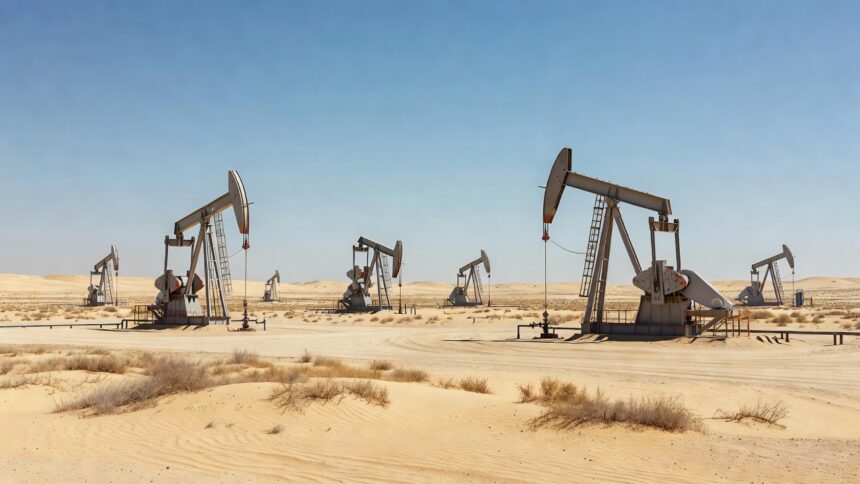
OPEC+ said in a statement that its seven core members decided to maintain the production levels required for September 2026 for November as well following their online meeting. The participants Saudi Arabia, Russia, Iraq, Kuwait, Algeria, Kazakhstan and Oman reviewed global market conditions and the broader economic outlook before confirming the policy. This marks the second consecutive month of unchanged targets after the group completed the unwinding of earlier voluntary cuts.
The seven countries had raised oil output targets monthly from April through September before pausing those increases in October, according to the producer group’s announcement. OPEC+ is keeping an additional 2 million barrels per day of cuts agreed in 2022 in place through the end of the year while it reviews member production capacity to establish quotas for 2027. The statement noted that the countries will continue holding monthly meetings to assess market conditions with the next session set for November 1.
Gulf producers within the alliance have pumped well below their formal targets in recent months because of export disruptions tied to the US-Israeli war on Iran that began in late February, industry sources told Reuters. The Strait of Hormuz, a critical route for about one fifth of global crude oil and liquefied natural gas shipments, has faced effective closure since the fighting started, limiting regional flows to between 60 and 80 percent of normal volumes. The conflict has also postponed the capacity assessment that will shape future quotas.
OPEC data shows the core seven members produced 25 million barrels per day in August, which represented a gain of 630,000 barrels per day from July yet stood roughly 5 million barrels per day below levels seen in February before the war. Most participants remain in underproduction mode despite the formal maintenance of targets, a pattern that has tightened overall market balances. Brent crude prices have stayed above 100 dollars a barrel in this environment compared with around 73 dollars ahead of the conflict.
UBS analyst Giovanni Staunovo said the OPEC+ group of seven kept their production ceilings unchanged in line with market expectations. He added that despite rising flows through the Strait of Hormuz their output levels remain well below quota with the oil market consequently staying tight. The Joint Ministerial Monitoring Committee separately reviewed production data for July and August during its 68th session and reaffirmed commitment to the Declaration of Cooperation framework.
The committee stressed the importance of safeguarding international maritime routes for uninterrupted energy flows and voiced concern over attacks on energy infrastructure that raise restoration costs and affect supply reliability, according to its conclusions. It will continue monitoring compliance with prior adjustment decisions from the 38th OPEC and non-OPEC ministerial meeting held in December 2024. The panel retained the option to convene extra sessions or escalate to a full ministerial gathering as market developments warrant.