

 ع
ع


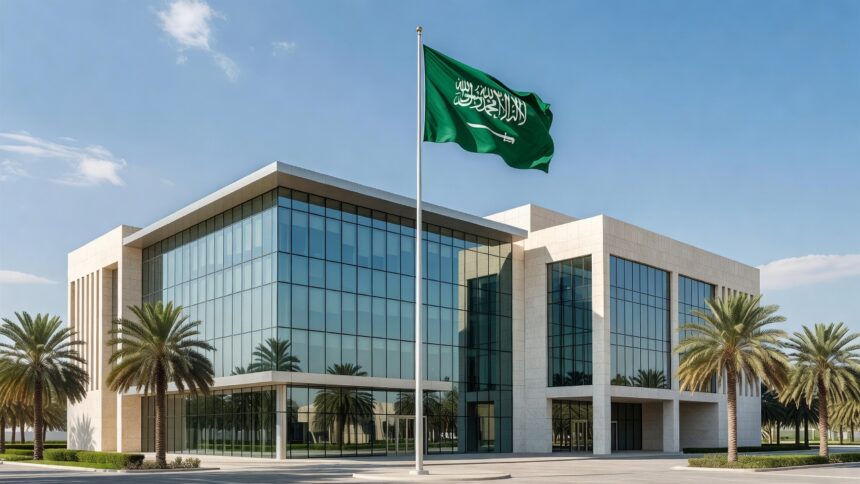
The Saudi Press Agency reported that Prince Faisal bin Farhan received the two calls on Wednesday from Sheikh Mohammed bin Abdulrahman Al Thani, who serves as Qatar’s prime minister and minister of foreign affairs, and from Turkish Foreign Minister Hakan Fidan. The discussions focused on the latest developments across the Middle East while exploring ways to de-escalate existing pressures through ongoing consultation among the parties. Farhan emphasized the value of unified efforts that could contribute to long-term stability in the area, according to the agency. The talks fit within a pattern of regular high-level contacts that Saudi officials have maintained with their counterparts.
Arab News reported that Farhan has engaged in a series of similar conversations with ministers from Kuwait, Jordan and other states throughout recent weeks as part of intensified diplomatic outreach. Those exchanges have centered on protecting freedom of navigation in critical waterways while addressing broader challenges to regional peace. The Kingdom has positioned itself as an active participant in these multilateral discussions to contain risks before they widen. Such coordination has grown more frequent amid persistent concerns over maritime security.
The Saudi Press Agency has previously detailed the establishment of a Saudi-led Multinational Maritime Defense Coalition that now includes 43 countries and organizations as a direct response to threats against shipping lanes. This framework targets safe passage through the Red Sea, Bab Al-Mandab Strait and Gulf of Aden where disruptions have affected international commerce. Officials involved in the initiative have stressed its role in preserving trade routes essential to global energy supplies. Participation has expanded steadily since the coalition’s founding meeting in Riyadh.
An assessment published by the International Crisis Group in July 2026 noted that Iranian attacks on Saudi territory had resumed earlier in the year alongside renewed cross-border actions involving the Houthis in Yemen. Saudi responses have combined defensive measures with continued calls for diplomatic off-ramps to avoid wider confrontation. The latest calls with Qatari and Turkish officials reflect Riyadh’s preference for collective approaches that integrate regional and international input. This strategy has guided policy even as new incidents test existing truces.
Arab News accounts of prior engagements show that both Al Thani and Fidan have joined Farhan in multiple rounds of talks this year covering topics from Gaza developments to Gulf waterway protection. The three nations have aligned on the need for continued mediation that favors dialogue over escalation in various theaters. Their joint emphasis on unifying positions has appeared consistently in statements following these interactions. The pattern underscores deepening diplomatic ties aimed at addressing shared security concerns.
The Saudi Ministry of Foreign Affairs has stated in related briefings that maintaining open channels with partners like Qatar and Turkey remains central to preventing miscalculations that could inflame existing tensions. Such outreach has included support for mediation efforts in connected conflicts while promoting adherence to international norms on navigation. Ministry records indicate these calls form part of a sustained effort that has involved more than a dozen high-level contacts since the start of 2026. The approach seeks measurable progress toward reduced hostilities across affected zones.