
 ع
ع


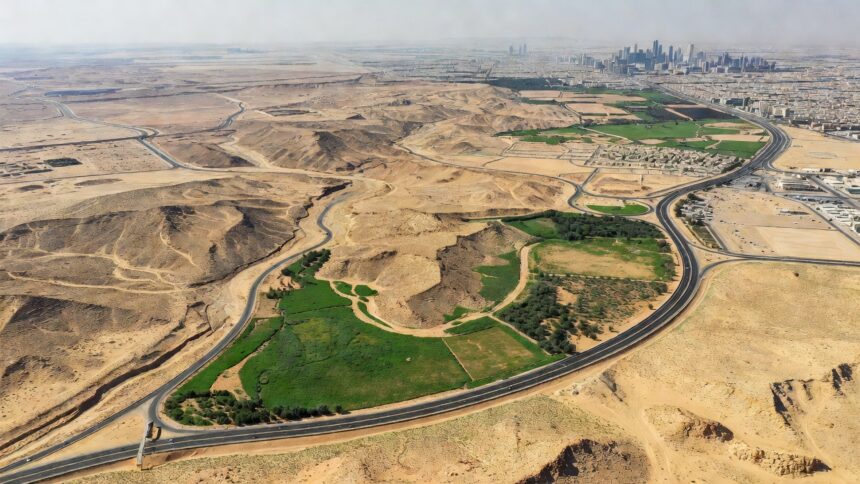
The Royal Commission for Riyadh City announced the completion of its master plan for an area spanning 456 square kilometres in the northeast of the Saudi capital. According to the commission, the designated zone connects directly with King Khalid International Airport, AlSulai Valley, Dammam Road and AlJanadriyah Road as part of the city’s long-term growth framework. The commission stated that the document sets forth an urban model for phased development that combines residential neighbourhoods with essential daily services.
A commission assessment found that the plan maintains equilibrium among residential, economic, recreational and natural areas while supporting economic diversification through space for emerging sectors. The framework further incorporates connections to the existing road network, public transport routes and supporting infrastructure throughout Riyadh. Such provisions aim to address both current and projected demands on the capital’s resources.
Eng. Ibrahim Mohammed Al-Sultan, chief executive of the Royal Commission for Riyadh City, described the completed document as a pivotal milestone. “The initial master plan for Northeast Riyadh represents a pivotal planning milestone in the capital’s overall development trajectory, reflecting the commission’s commitment to anticipating the city’s future needs and guiding its expansion,” Al-Sultan said in the statement. The chief executive extended thanks to Custodian of the Two Holy Mosques King Salman and Crown Prince Mohammed bin Salman, who serves as chairman of the commission’s board.
The commission clarified that the master plan constitutes an initial planning stage and does not signal the immediate start of construction projects. Officials noted that further detailed studies and coordination will precede any physical implementation across the designated territory. This sequential method mirrors planning practices applied in other major Saudi urban initiatives that emphasise measured rollout.
General Authority for Statistics figures place Riyadh’s population above eight million as of late 2025, reinforcing requirements for structured expansion in peripheral districts. The commission’s plan prioritises expanded green coverage and the safeguarding of natural valleys alongside reserves to elevate living standards. These elements support national objectives detailed in government reports on Saudi Vision 2030 that have channelled substantial resources into capital-region infrastructure over the past decade.