
 ع
ع


The third Strategic Dialogue between Saudi Arabia and Japan convened in Riyadh with Prince Faisal bin Farhan hosting Japanese Foreign Minister Toshimitsu Motegi at the Foreign Ministry headquarters. Prince Faisal bin Farhan described the bilateral partnership as one grounded in trust and mutual respect with broad scope for deeper collaboration. He highlighted opportunities across investment, energy, natural resources, supply chains, defense, technology and expertise exchange. The Saudi minister positioned the kingdom as a dependable partner for Japan in energy supplies and additional fields.
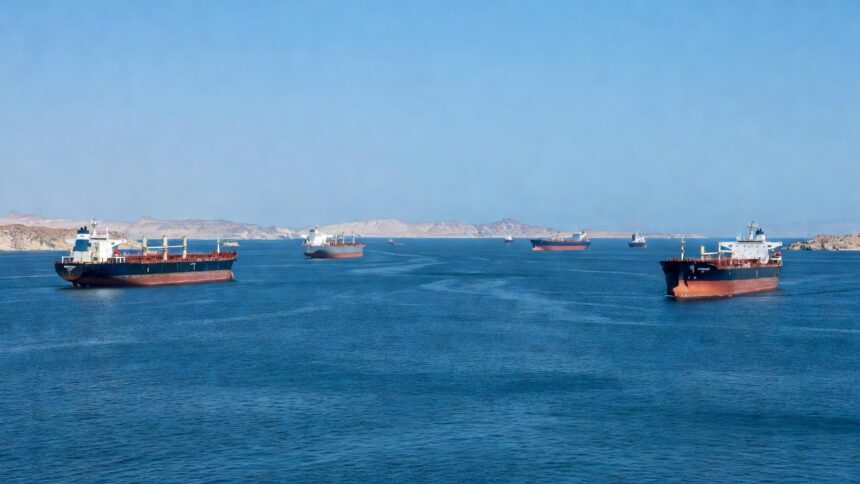
According to the Saudi Foreign Ministry, Prince Faisal bin Farhan praised Japan’s steps to strengthen economic resilience and maintain stability in global energy markets and trade flows. The two ministers concurred that maritime security ranks as a leading priority with emphasis on freedom of navigation in line with international law. They stressed that the Strait of Hormuz and Bab el-Mandeb must stay open and protected for commercial vessels. This stance formed a central element of the official readout from the discussions.
Prince Faisal bin Farhan placed priority on diplomacy, dialogue and peaceful resolutions to address outstanding regional matters. He voiced appreciation for Japan’s support of international norms together with its humanitarian activities and contributions to stability. Saudi Ambassador to Japan Dr. Ghazi bin Faisal bin Zaqr and Director General of the Asian Countries Department Ambassador Nasser Al-Ghanoum joined the strategic dialogue session. The meeting continues a series of high-level exchanges aimed at advancing the comprehensive Saudi-Japanese relationship.
This emphasis on maritime security follows a comparable joint declaration Saudi Arabia reached with Italy the previous month. Saudi Foreign Minister Prince Faisal bin Farhan and Italian Foreign Minister Antonio Tajani called for safeguarding commercial shipping lanes through the Strait of Hormuz, Bab Al-Mandab and the Red Sea according to international law, the Saudi Press Agency reported. The ministers rejected any unilateral steps that could hinder transit via the Strait of Hormuz. They recognized the part played by the European Union naval mission EUNAVFOR Aspides, including Italy’s involvement in protecting merchant shipping.
The Saudi-Japanese strategic dialogue framework has served to coordinate positions on political, economic and security questions for several years. Prior sessions produced understandings that support Saudi Vision 2030 objectives in economic diversification and technological development. Japan ranks among the foremost buyers of Saudi energy exports, an economic linkage that heightens the strategic significance of secure maritime routes for both sides according to OPEC assessments.