ع



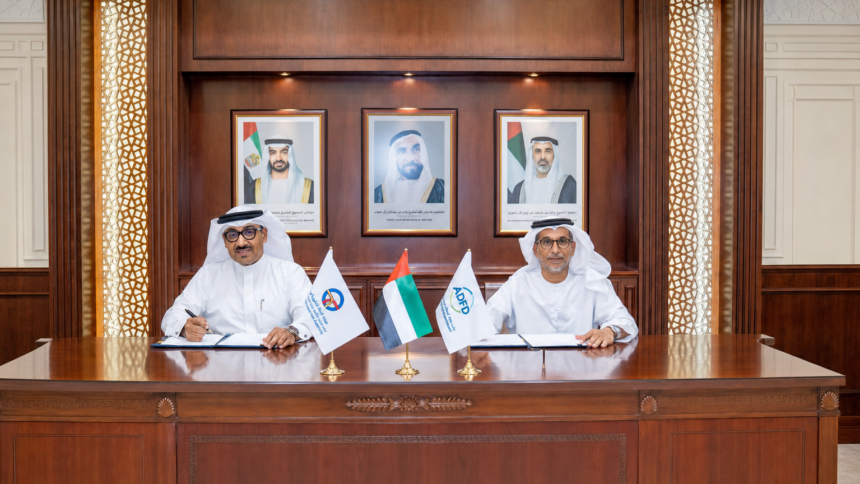
The Saudi Press Agency reported that the memorandum of understanding establishes the general principles for connecting the Saudi and Emirati power grids along with mechanisms for exchanging and selling electricity. It also mandates the completion of necessary technical, economic and environmental studies to underpin the project. The two sides further agreed to coordinate with other GCC member states on expanding the regional interconnection grid in accordance with the bloc’s existing framework.
According to the Saudi Ministry of Energy, the agreement will contribute to greater efficiency in energy systems and stronger economic integration across the region. Prince Abdulaziz bin Salman and Mohamed Hassan Alsuwaidi inked the document during a ceremony in the Saudi capital on Thursday. The pact builds on prior bilateral infrastructure initiatives.
A related initiative by the GCC Interconnection Authority involves building a 96-kilometer double-circuit 400 kV overhead line between the Al Sila station in the UAE and the Salwa station in Saudi Arabia. GCCIA figures indicate this expansion, which includes upgrades to three major substations and installation of a dynamic compensator station, will support transmission capacity of up to 1,600 megawatts.
GCC Interconnection Authority assessments have shown that the interconnected grid generates savings in installed capacity, fuel use and operating reserves while reducing the economic impact of potential power outages and facilitating electricity trading. The authority’s network currently links the six GCC states with a peak shared capacity exceeding 14 gigawatts. The Saudi and UAE agreement is designed to expand upon this foundation.
Turning to rail connectivity, the memorandum lays out principles for enabling two-way transport and transit of goods and freight between Saudi Arabia and the UAE. This component aims to bolster logistical efficiency and supply chain performance across the shared border. It complements the substantial railway infrastructure under development in both countries.
The Saudi Railway Company operates an extensive network with plans spanning more than 7,000 kilometers, while Etihad Rail manages the UAE’s national freight and passenger lines. A 2014 memorandum between the two operators focused on exchanging expertise to raise safety and operational standards for GCC-wide rail projects. The fresh agreement elevates that collaboration to the ministerial level.