
 ع
ع


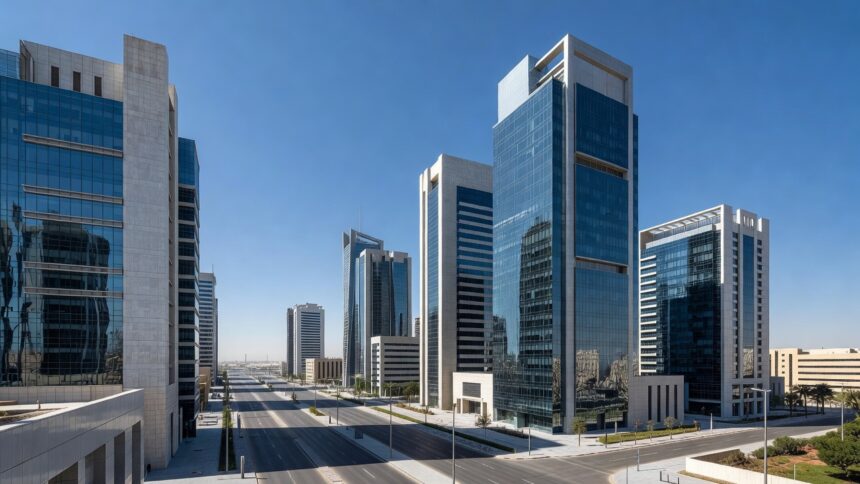
The Saudi Press Agency reported that the opening weeks of 2026 demonstrated the Kingdom balancing rapid domestic modernization with regional stabilization priorities. The periodical briefing outlined milestones in digital sovereignty that enhance control over data and technology ecosystems. It further detailed steps to broaden financial market access alongside the country’s leadership in Gulf and wider Middle East affairs.
A Bertelsmann Stiftung Transformation Index country report for 2026 placed Saudi Arabia’s economic liberalization score 3.6 points higher than the previous year. The assessment attributed gains in part to the Financial Sector Development Program, which has fostered a competitive digitally driven banking sector. The BTI Project report indicated that open banking initiatives launched in 2022 have since expanded to ease financial transactions and support fintech integration across the Kingdom.
The Capital Market Authority announced that effective 1 February 2026 the Saudi capital market would open to all categories of foreign investors for direct trading on the Main Market. This regulatory change eliminates the prior Qualified Foreign Investor designation following a period in which international holdings exceeded 590 billion Saudi riyals by the third quarter of 2025. Earlier reforms had already reduced minimum asset thresholds for overseas participants and lifted foreign ownership limits in listed firms to 49 percent according to the same BTI Project review.
Digital transformation continues to anchor national strategy under Vision 2030 with accelerated investment in e-government services artificial intelligence and cybersecurity infrastructure. Industry event previews for the 3rd Government Digital Transformation Summit scheduled in 2026 describe the Kingdom as positioning itself among regional leaders in innovation and smart-economy development. The focus includes cultivating local digital talent and reinforcing data sovereignty to underpin sustained economic diversification efforts.
Regionally Saudi Arabia has expanded partnerships beyond longstanding allies while sustaining prominent roles in the Gulf Cooperation Council and the Organisation of Islamic Cooperation. The BTI Project 2026 assessment found that the Kingdom actively promotes cooperative frameworks across the Middle East and Islamic world often placing Saudi initiatives at their center. Such engagement spans economic integration diplomatic mediation and collective security arrangements according to the report.
Vision 2030 governing documents list interconnected objectives that include improving government entity performance boosting employee productivity and advancing the digital economy. Additional targets encompass expanding the mining sector localizing manufacturing industries and deepening the Kingdom’s integration into both GCC structures and global value chains. These priorities form the foundation for long-term ambitions outlined in official Vision 2030 materials.