
 ع
ع


The Saudi Ministry of Communications and Information Technology detailed that Abdullah Al-Swaha held multiple sessions with executives and institutions in Shenzhen to broaden collaboration across key sectors. The delegation included Communications, Space and Technology Commission Governor Haytham Al-Ohali, Digital Government Authority Governor Ahmed Al-Suwaiyan and Saudi Federation for Cybersecurity, Programming and Drones Chairman Faisal Al-Khamisi. Those discussions targeted artificial intelligence, robotics, cloud computing, digital infrastructure and innovation ecosystems that align with national development priorities.
Al-Swaha met Huawei Chairman David Wang to review opportunities for deepened ties in digital infrastructure, artificial intelligence, cloud solutions and talent development programs. The minister also engaged directly with 20 Saudi students who had completed a specialized artificial intelligence training initiative organized by the King Abdulaziz and His Companions Foundation for Giftedness and Creativity in partnership with Huawei. Conversations centered on the evolving role of artificial intelligence, contributions of national talent to long-term economic goals and the need to prioritize skills in emerging technologies.
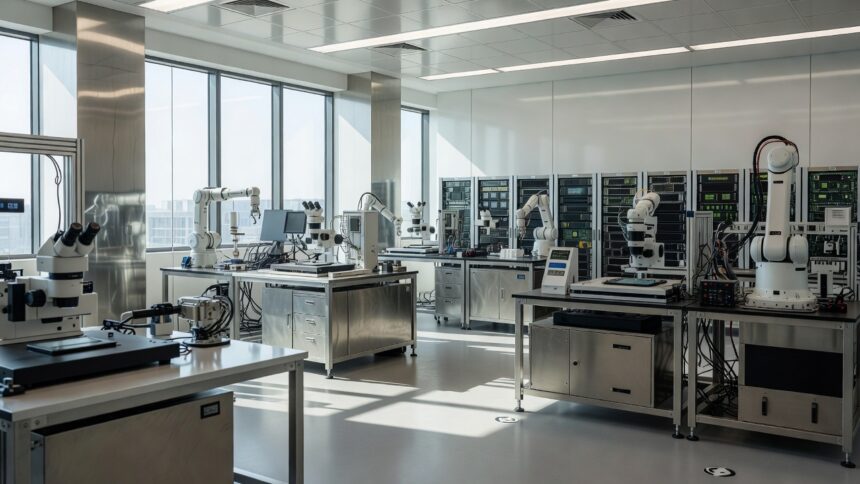
The minister held talks with executives at UBTECH Robotics where he examined the company’s newest advancements in intelligent robotics systems. Discussions examined potential deployment of such technologies to drive innovation and strengthen the competitiveness of Saudi Arabia’s digital economy. Separate meetings took place with Intellifusion founder, chairman and CEO Dr. Chen Ning to consider joint work on artificial intelligence inference chips, computer vision and smart city applications that could raise efficiency and sustainability in public services.
During the trip Al-Swaha visited the KAUST Innovation Hub in Shenzhen and interacted with participants in the ninth cohort of the Tech Founders program. He assessed their ongoing projects and identified pathways for Saudi startups to tap into Shenzhen’s technology, manufacturing and investment networks. The engagement aimed to facilitate global expansion and bolster the competitive position of emerging Saudi enterprises in international markets.
A Dubai State of AI Report noted that Shenzhen contributes approximately 13.33 percent of China’s national data and computation capacity while hosting major players such as Huawei that anchor the city’s artificial intelligence ecosystem. The same assessment highlighted how public-private alliances in the city have accelerated digital transformations particularly in robotics, telecommunications and urban management applications. Saudi Arabia has pursued similar technology transfers in recent years through structured partnerships that support its own digital infrastructure expansion.
Industry tracking placed Saudi ICT spending at roughly $10 billion in 2024 with allocations directed toward health, education, digital government services and smart city initiatives including NEOM. The ministry has maintained ongoing cooperation with Chinese entities on projects ranging from cloud infrastructure to specialized training that build local capabilities in artificial intelligence. Such engagements form part of a wider pattern of bilateral technology exchanges that have intensified since initial framework agreements signed in prior years.