
 ع
ع


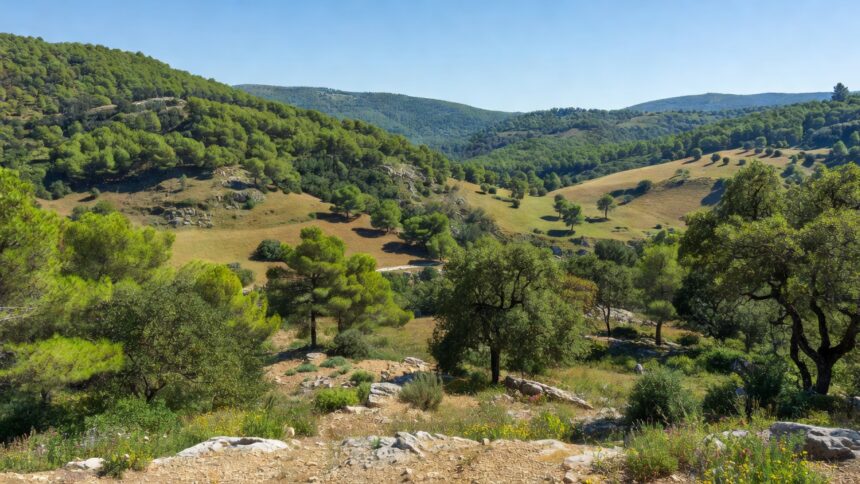
The Saudi Ministry of Foreign Affairs expressed the Kingdom’s solidarity with Algeria after wildfires killed at least 12 people and injured dozens in the country’s northeast, according to a statement issued through the Saudi Press Agency. The ministry offered sincere condolences to the Algerian government and its people while extending deepest sympathies to the families of those who died. It wished a swift recovery to all those injured in the blazes that erupted during an intense heatwave across North Africa. The statement came one day after Algerian authorities detailed the mounting human cost of the fires that swept through forested and rural areas.
Algerian Interior Minister Said Sayoud reported that five deaths occurred in Jijel province, four in Bejaia and three in Tizi Ouzou, a breakdown confirmed across multiple official briefings. Civil protection authorities documented 54 burn injuries, six of them critical cases receiving intensive care, during a visit by Sayoud and the health minister to affected hospitals in Bejaia. The minister assessed evacuation and firefighting operations in the hardest-hit zones where flames approached residential communities. Algerian President Abdelmadjid Tebboune responded by declaring three days of national mourning with flags at half-mast and the cancellation of all cultural and sporting events.
Civil protection services recorded 154 vegetation fires across 16 provinces on the first day of the outbreak, with crews extinguishing more than half while 67 remained active into the following evening, according to the directorate’s operational updates. Jijel led with 17 ongoing blazes followed by El Tarf and Skikda with 10 each, as strong winds and high temperatures complicated containment efforts. Several families received evacuation orders as fires threatened villages, and at least three major roads in eastern Algeria closed temporarily. The blazes damaged farmland and killed hundreds of livestock in regions still recovering from earlier fire seasons.
A severe heatwave with temperatures exceeding 45 degrees Celsius fueled the rapid spread of the wildfires across northern Algeria and neighboring Tunisia, Reuters reported from the region. Similar conditions three years earlier had killed dozens in the same provinces, prompting improved early-warning systems that Algerian officials credited with limiting further casualties this time. Climate experts have linked the increasing frequency and intensity of such summer fires to prolonged droughts and rising average temperatures, though specific projections for North Africa vary by agency. Algerian authorities mobilized thousands of firefighters, aircraft and ground teams to contain the remaining hotspots as of August 28.
The Saudi statement aligns with a pattern of diplomatic outreach during regional crises, the Saudi Press Agency noted in its coverage of comparable messages sent after natural disasters. Algeria’s government has received similar expressions of support from other Arab states as it coordinates relief for displaced residents and begins damage assessments in Jijel and Bejaia. Prime Minister Sifi Ghrieb traveled to the affected areas to oversee recovery operations and meet with victims’ families. No official estimate of total property losses had been released by Algerian ministries at the time of the Saudi announcement.
Wildfires recur annually in northern Algeria during the dry summer months, yet the 2026 outbreak stood out for its concentration in the northeast where vegetation had regrown since prior burns, according to reports from the Algerian civil protection agency. Officials continue to monitor weather forecasts for any new ignition risks while hospitals in the east maintain surge capacity for smoke inhalation and burn cases. The combined Algerian and international response has emphasized both immediate firefighting and longer-term reforestation planning in vulnerable provinces.