
 ع
ع


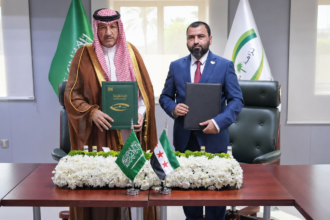
The Saudi Ministry of Defense reported that the third planning meeting for the Multinational Maritime Defense Coalition convened at the Western Fleet Command in Jeddah drawing representatives from 39 countries to review progress on institutional setup. Thirteen nations have now finished all accession steps signed the charter and declared their membership while additional participants continue procedures after an initial joint statement that drew signatures from 15 countries. This session advanced arrangements for activating the command structure and integrating multinational teams into daily operations across key maritime zones.
According to the ministry the gathering produced concrete outcomes including the designation of a Saudi commander and a Pakistani deputy for the coalition’s first term. Headquarters facilities have been assigned an official logo has received approval and all foundational organizational frameworks stand completed. Member states have begun assigning personnel to the central command a joint operations coordination center and supporting intelligence units as the coalition shifts from planning to active duty.
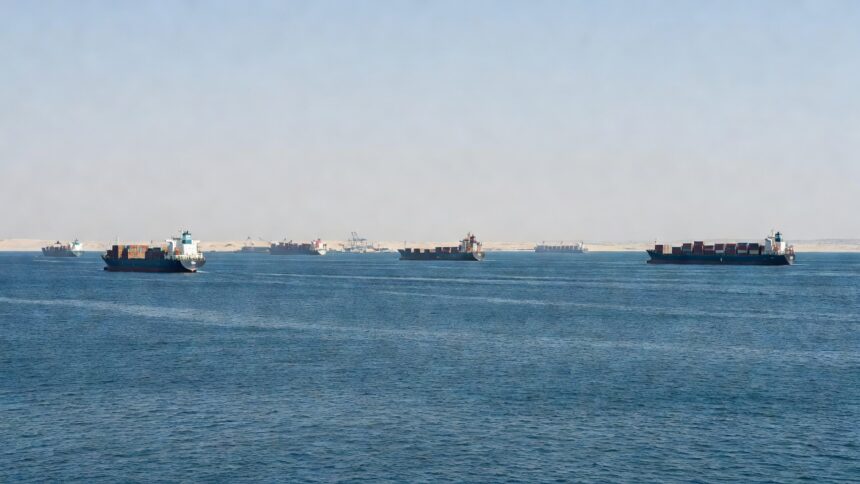
The Saudi Ministry of Defense first outlined the coalition on July 30 2026 when 14 countries issued a joint statement backing its creation to protect freedom of navigation and energy supply routes through the Bab al-Mandeb Strait the Red Sea and the Gulf of Aden a Reuters report from that date detailed. Those founding participants listed in the statement comprise Bahrain Bangladesh the Comoros Djibouti Egypt Jordan Kuwait Pakistan Qatar Saudi Arabia Somalia Sudan Turkey and Yemen. The inaugural conference that produced the statement included delegates from 43 countries and the European Union with Saudi Arabia selected to host the headquarters and serve as the leading state.
A later assessment published by Al Jazeera on August 6 noted that further countries are completing formalities to join with several having already endorsed the declaration and charter ahead of full membership. The coalition’s charter commits participants to cooperative maritime defense measures conducted in accordance with international law and established norms for securing commercial shipping lanes. Such coordination has grown more pressing after repeated attacks disrupted traffic in these corridors over the preceding year.
The ministry’s update on the Jeddah meeting highlighted steady movement toward sustainable operational readiness for the coalition without specifying exact timelines for initial patrols or exercises. Additional nations have expressed interest in accession though the current focus remains on embedding the initial members into unified command and support systems. This incremental approach builds on the foundational agreements reached last month to foster long-term stability in one of the world’s primary maritime trade arteries.