
 ع
ع


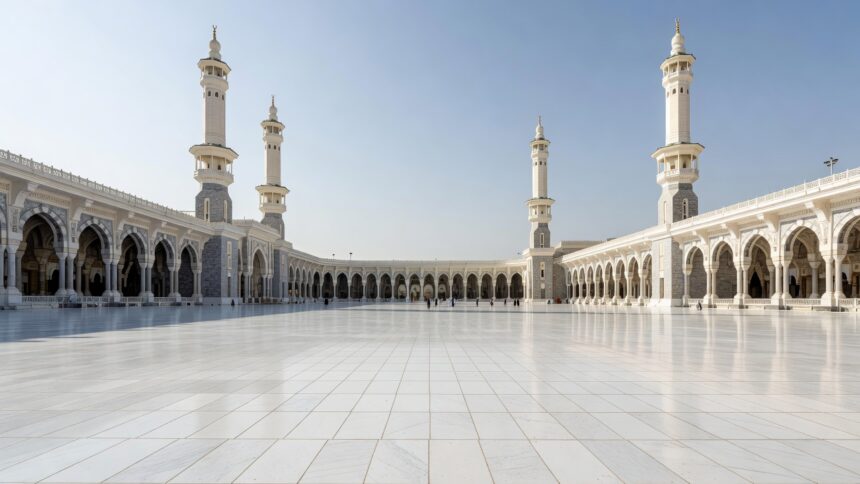
The General Authority for the Care of the Affairs of the Grand Mosque and the Prophet’s Mosque has published specific hourly windows showing when the Grand Mosque sees the lightest foot traffic, advising pilgrims to avoid the period from 5 pm to 9 pm when crowds peak. Low density prevails from 10 pm until 4 am and again from 9 am to 4 pm, while moderate numbers fill the early morning slot between 5 am and 8 am, the authority’s guidance explained. Pilgrims can access real-time updates through approved digital platforms that display current conditions at the Mataf circumambulation area and the Masaa walkway, allowing last-minute adjustments to itineraries. Such planning has become essential as visitor numbers climb, the authority noted.
According to the authority, advance coordination prevents bottlenecks that can extend waiting times for key rituals and helps maintain a calm environment for worship. The body has invested in technology that feeds live data to mobile applications used by millions of visitors each month. Monitoring these indicators before travel to Makkah enables groups to stagger their arrivals and distribute load more evenly across the day and night.
Record participation has tested the system’s capacity in recent seasons, with nearly 12 million Umrah performers recorded in the first months of 2026 alone, data compiled by the Ministry of Hajj and Umrah show. That surge follows streamlined visa processes and expanded flight connections that have widened access for international visitors. Crowd-management techniques refined over decades now incorporate artificial-intelligence predictions and sensor networks spread throughout the mosque’s expansions, a Saudi Press Agency review of the authority’s preparations indicated.
The authority’s latest recommendations arrive as preparations continue for sustained high volumes during the remainder of the year. Digital services include interactive maps and occupancy trackers that update every few minutes, giving pilgrims clear visual cues about conditions in different zones. By choosing off-peak windows, visitors not only shorten their own rituals but contribute to smoother operations for everyone present, the authority’s statement added.
Ministry of Hajj and Umrah platforms such as Nusuk have integrated the density feed, allowing users to book time slots or simply view current status before heading to the holy sites. The app’s features have been credited with reducing unplanned crowding at prayer times and around the Kaaba. Continued expansion of these tools reflects broader efforts to leverage technology for pilgrim comfort, according to ministry updates.
Infrastructure improvements around the Grand Mosque have increased its ability to host larger groups safely, yet officials continue to stress individual responsibility in timing visits. The authority oversees thousands of daily operations that keep pathways clear and services running without interruption. Pilgrims who follow the published density schedule report shorter queues and more focused worship, feedback gathered by the authority’s visitor services team has shown.