
 ع
ع


The Saudi Ministry of Defense announced that its forces working in coordination with the US struck specific sites used by Iran-backed militias operating from Iraqi territory. A senior Saudi official speaking to Al Arabiya emphasized that the operation followed exhaustive diplomatic efforts and aimed solely at degrading the capabilities of groups that had launched drone attacks on Saudi oil infrastructure in the Eastern Province and Riyadh region. The ministry’s spokesman Maj-Gen Turki al-Maliki said the kingdom does not seek escalation but will respond decisively to any aggression according to a statement carried by multiple regional outlets including Al Arabiya.
US Central Command reported that the joint strikes hit multiple terrorist logistics and weapons sites across eastern Iraq in direct response to more than 30 IRGC-directed aerial drone attacks over the previous 72 hours. CENTCOM added that those earlier assaults which targeted both US forces and Saudi energy sites had all failed to cause significant damage. The command warned that the IRGC and its proxies must cease such actions to avoid further military responses.
Iraq’s Popular Mobilisation Forces which includes many Iran-backed Shia militias stated that the overnight operation killed at least 20 of its members and wounded 32 others with the deadliest hits occurring in Nineveh and Diyala provinces. The PMF condemned the action as a treacherous attack and a serious violation of Iraqi sovereignty targeting its official security institutions. The Iraqi presidency separately denounced the strikes as an unacceptable breach according to reports from AFP and the BBC.
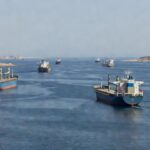
Iran’s foreign ministry described the US-Saudi operation as a gross violation of international law and part of a broader strategy to expand conflict across the region. The IRGC had earlier claimed responsibility for a barrage of missiles fired at American positions in Jordan on the preceding Tuesday all of which US forces intercepted successfully. Iranian naval units also reported striking three oil tankers in the Strait of Hormuz during the same period claiming the vessels ignored warnings in the vital waterway.
Saudi Arabia and Iran have competed for regional influence through proxy conflicts in Yemen Syria Iraq and Lebanon for decades a dynamic noted in assessments by the BBC. The two countries restored diplomatic relations in 2023 yet tensions have persisted with renewed Iranian missile and drone activity against Saudi targets during the wider Iran war that began at the end of February 2026. CENTCOM figures show more than 600 attempted attacks by Iran-aligned militias on US personnel and sites in Iraq between February and April of this year alone.
President Donald Trump told Fox News that the strikes had been coordinated with the Iraqi government and vowed a strong response to Iranian aggression. He described the anticipated impact on Iranian-linked forces in blunt terms during the interview. The developments coincide with ongoing concerns over disruptions to oil shipments through the Strait of Hormuz which pushed Brent crude prices up 5 percent to $88.50 per barrel on the day of the strikes according to market reports cited by the BBC.