
 ع
ع


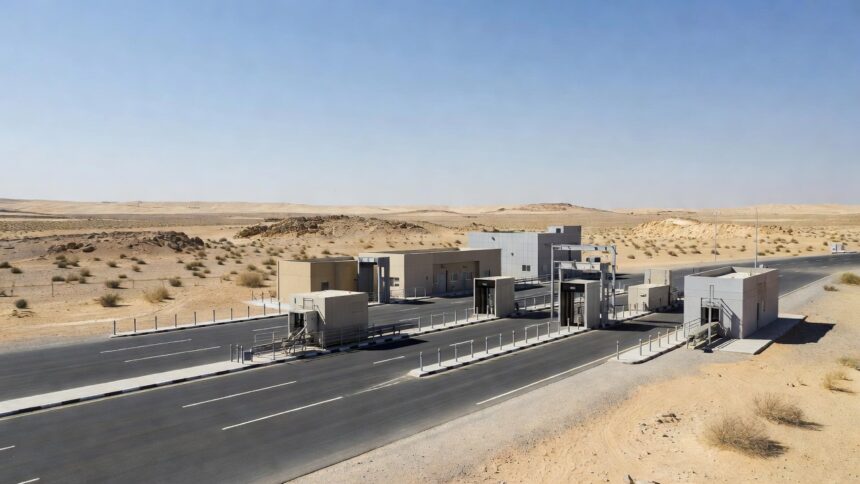
The Zakat, Tax and Customs Authority detected the illicit shipment during routine screening at the northern border post, where advanced detection equipment identified anomalies in the vehicle. Officials discovered the amphetamine pills hidden in a compartment designed to evade standard inspections. The authority transferred the case to the General Directorate of Narcotics Control for further investigation and prosecution, a standard procedure in such interdictions.
ZATCA spokesperson Hammoud Al-Harbi highlighted the success as part of ongoing vigilance. “The authority remains committed to strengthening customs controls at all border crossings to prevent smuggling attempts and protect society, in coordination with the Ministry of Interior and the General Directorate of Narcotics Control,” Al-Harbi said in a statement. He encouraged the public to report any suspicious activities through the dedicated hotline or email channels maintained by the authority.
ZATCA figures show the authority foiled multiple large-scale drug smuggling operations throughout the preceding year. Data from the body placed total seizures of illicit and controlled pills above 25 million between June 2025 and May 2026. These operations involved coordination across land, sea and air ports using enhanced technologies.
A separate ZATCA announcement in September 2025 detailed the interception of more than 261,000 amphetamine pills across four separate attempts at various entry points. Such repeated successes demonstrate the scale of trafficking networks targeting the kingdom. The authority has expanded its use of artificial intelligence and scanning systems to counter evolving concealment methods employed by smugglers.
The broader regional context reveals intensified efforts against synthetic drugs like amphetamines. A United Nations Office on Drugs and Crime assessment found that countries in the Arab region intercepted at least 177 million tablets equivalent to 30 tons since late 2024. Saudi Arabia’s interdictions form a key component of these collective measures against the trade.
The public reporting mechanism offers confidentiality and potential rewards for information leading to seizures. Citizens and residents can contact the authority via the 937 hotline, the email [email protected] or the international line. This community involvement has proven instrumental in supplementing the authority’s border enforcement activities.