
 ع
ع


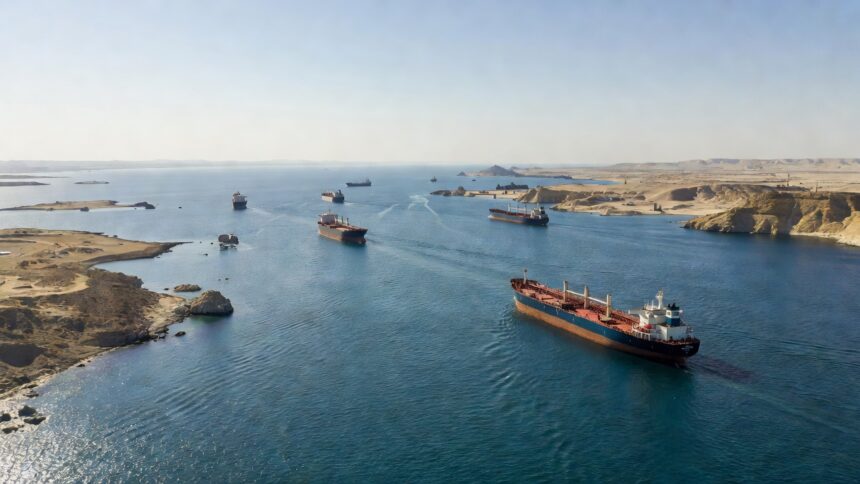
The Saudi Press Agency reported that Prince Faisal bin Farhan received separate phone calls from Qatar’s Prime Minister and Minister of Foreign Affairs Sheikh Mohammed bin Abdulrahman Al Thani, Kuwait’s Foreign Minister Sheikh Jarrah Jaber Al Ahmad Al Sabah and Bahrain’s Foreign Minister Abdullatif bin Rashid Al Zayani. The ministers reviewed the latest regional developments amid ongoing tensions. They underscored the importance of intensifying efforts to reduce those tensions and safeguard freedom of maritime navigation in the Strait of Hormuz and the Bab al-Mandab Strait. Such steps would help mitigate both the security and economic repercussions of the current crisis.
According to the Saudi Press Agency, the ministers condemned attacks carried out by Iran and its affiliated terrorist militias in Iraq and Yemen. They affirmed their full solidarity with one another in confronting any threats to the security and stability of the region. The participants rejected all actions that undermine regional security and stability. They stressed the need for continued coordination and consultation to support regional security, preserve stability and strengthen joint Gulf cooperation.
The Saudi Press Agency noted that the discussions took place as part of broader diplomatic engagement among the Gulf states to address shared concerns. Prince Faisal bin Farhan, who initiated the outreach by receiving the calls, focused on collective approaches to the maritime challenges. The calls highlighted a unified Gulf position on preserving the safety of vital shipping lanes that support international trade.
U.S. Energy Information Administration data places average daily oil flows through the Strait of Hormuz at around 21 million barrels in recent assessments, accounting for more than one-fifth of global petroleum liquids consumption. The Bab al-Mandab Strait has seen crude oil and condensate transits rise from 3.7 million barrels per day in the first quarter of 2025 to 5.4 million barrels per day in the first quarter of 2026, according to the same agency. A March 2026 UNCTAD publication described the Hormuz strait as carrying roughly one quarter of global seaborne oil trade in addition to significant volumes of liquefied natural gas and fertilizers.
According to a PBS News report from January 2026, Iran-backed militias in Iraq and Yemen had signaled willingness to launch further attacks in support of Tehran amid heightened regional conflicts. The Islamic Resistance in Iraq and Yemen’s Houthis featured in those threats, which included potential disruptions to shipping lanes. Such activities have contributed to volatility in the waterways discussed during the ministerial calls.
A Britannica overview of 2026 regional events noted that Iranian actions had already targeted vessels in the Strait of Hormuz while raising concerns about possible Houthi involvement in blocking the Bab al-Mandab route. Oil markets responded with Brent crude prices climbing above $90 per barrel at points during the tensions. The Saudi Press Agency statement reflected the Gulf ministers’ emphasis on countering these risks through sustained diplomatic coordination.