
 ع
ع


The Special Forces for Road Security in the Asir region detained two residents of Yemeni nationality for their alleged role in promoting 27 kilograms of hashish, according to an official security statement released on July 16, 2026. Investigators completed all required legal steps at the scene before transferring the pair to the Public Prosecution for further action under the Kingdom’s strict anti-narcotics laws. The operation underscores sustained vigilance in the southern province, which borders Yemen and has figured in multiple prior interdictions of cross-border smuggling routes.
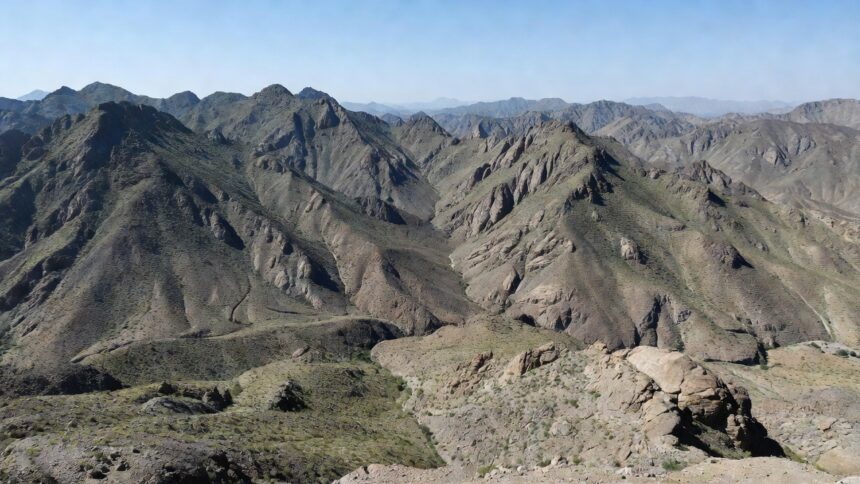
Asir’s rugged terrain has long presented challenges for border enforcement units, a pattern documented in several Ministry of Interior updates on regional security campaigns. The ministry previously detailed operations in Asir and neighboring Jazan that resulted in 591 arrests tied to drug smuggling networks moving hashish and other substances from Yemen. Such efforts have relied on coordinated patrols and intelligence to intercept both large-scale shipments and smaller distribution rings operating inside the Kingdom.
Saudi Customs authorities recorded 686 contraband seizures across land, sea and air ports in one recent week, including 82 cases involving narcotic substances such as hashish, cocaine, heroin and Captagon pills, according to official port data. These figures illustrate the scale of inbound trafficking attempts that authorities face on a continuous basis, even as enforcement resources expand along vulnerable frontiers. Hashish remains a frequently intercepted commodity, often traced to production or transit networks in neighboring conflict zones.
The United Nations Office on Drugs and Crime noted in its World Drug Report 2026 that an estimated 331 million people globally used drugs in 2024, a 34 percent increase over the previous decade, with cannabis products retaining high prevalence in many markets including the Gulf. In Saudi Arabia, methamphetamine, cannabis and Captagon rank among the three most commonly used substances, the report found, reflecting shifting consumption patterns that have prompted tighter domestic controls and cross-border cooperation. Yemen continues to serve as a notable transit point for cannabis and hashish destined for Saudi territory, according to regional analyses cited in the document.
Security authorities have renewed their call for public assistance in identifying drug-related activity, emphasizing that reports can be made confidentially through established hotlines. Residents in Makkah, Madinah, Riyadh and the Eastern Province may dial 995 or 911, while those elsewhere should use 999, the statement from the Special Forces for Road Security advised. All tips are handled with guarantees of anonymity to encourage community participation without fear of reprisal.
The latest case adds to a series of enforcement actions that have targeted both smuggling across the Yemeni border and internal promotion networks, as detailed in periodic updates from Saudi security bodies. Penalties for hashish trafficking and distribution under Saudi law can include lengthy prison terms, with capital punishment reserved for the most serious offenses involving large quantities or repeat offenders. Officials continue to stress that such measures form part of a layered strategy combining interdiction, prosecution and public awareness to reduce supply and deter participation in the illicit trade.