
 ع
ع


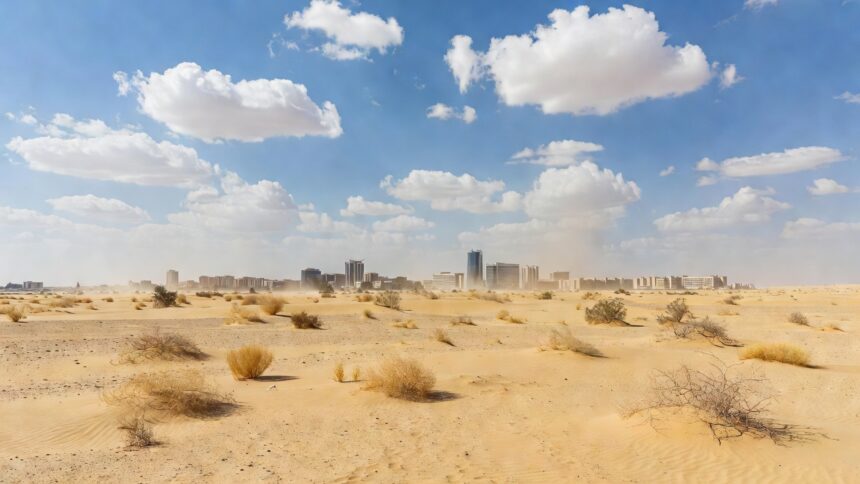
The National Center for Meteorology forecast moderate to heavy thunderstorms that may lead to torrential rains and flash floods accompanied by hail showers over parts of Jazan Asir Al-Baha and Makkah regions on Sunday. The center said in its daily report that rain-bearing thunderclouds could also form over parts of Najran Riyadh Qassim Hail and Madinah. Active winds stirring up dust and sand are expected to affect those areas as well as parts of Tabuk Al-Jouf and the Northern Borders according to the National Center for Meteorology.
Temperatures are set to remain hot to very hot in the Eastern Province where the National Center for Meteorology predicted a high of 48 degrees Celsius in Dammam. Riyadh could reach 46 degrees Celsius while Madinah and Buraidah are forecast for 45 degrees and Makkah for 44 degrees the center’s figures show. Highlands will see more moderate readings with Al-Baha at 31 degrees and Abha at 29 degrees.
Surface winds over the Red Sea will blow from west to northwest at 15 to 40 kilometers per hour in northern and central sections the National Center for Meteorology reported. In the south winds could exceed 50 kilometers per hour with thunderstorm development and wave heights may rise above two meters. The authority noted that sea conditions will turn rough in areas affected by thunderclouds.
This outlook continues a stretch of unstable weather the National Center for Meteorology has monitored through late August with similar forecasts prompting red alerts for heavy rain in Makkah and other regions earlier in the week. The General Directorate of Civil Defense has urged residents to stay in safe areas avoid valleys and refrain from swimming in watercourses during such conditions. Those calls have been repeated across multiple recent forecasts from the center.
Humidity is expected to climb in coastal and highland zones with the National Center for Meteorology projecting up to 80 percent in Jeddah and Abha. Fog formation remains possible overnight and into early morning along eastern coastal sections the center added. Public Authority for Meteorology data has highlighted how these combined factors of heat thunderstorms and reduced visibility increase risks in affected provinces.
The National Center for Meteorology relies on advanced numerical models run on supercomputers to generate its predictions which simulate atmospheric dynamics. Such forecasts have grown more critical as the kingdom navigates variable summer patterns according to the authority’s assessments. Residents are advised to check official updates through the center’s platforms for any developments in the outlook.