ع



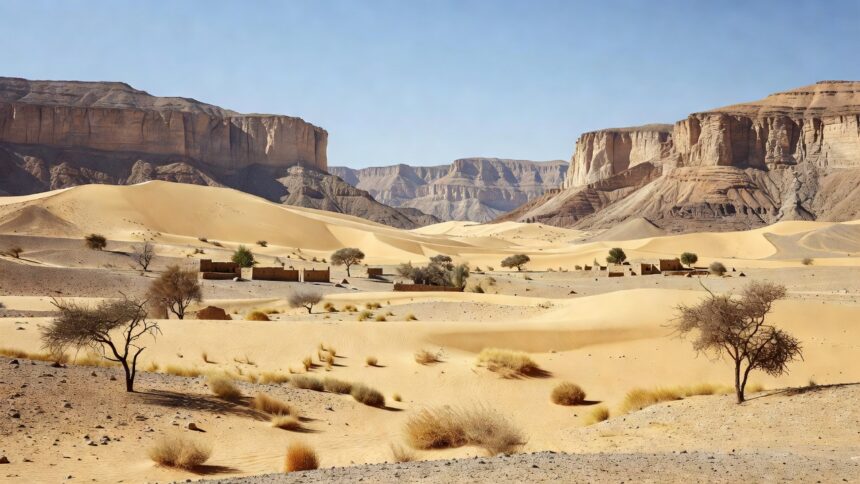
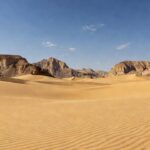
Engineer Ibrahim bin Mohammed Al-Sultan, state minister and president of the Royal Commission for Riyadh City, thanked King Salman and Crown Prince Mohammed bin Salman for the cabinet decision to create the Imam Abdulrahman bin Faisal Nature Reserve. The commission’s statement said the approval reflects leadership commitment to protecting natural sites, developing reserves and preserving the kingdom’s environmental, rural and cultural assets. The protected area extends across 4310 square kilometres within Diriyah, Al-Muzahmiyah and intervening zones, featuring distinctive landscapes that combine sections of the Tuwaiq Mountains with sand dunes and traditional rural settings.
The Royal Commission for Riyadh City will supervise efforts to achieve the reserve’s goals centred on environmental protection, restoration of natural systems, economic prosperity and social development. Coordination with all concerned entities will focus on executing plans to rehabilitate zones adjacent to the Tuwaiq Mountains while organising urban expansion in ways that account for residents, landowners and existing activities. The commission’s statement emphasised that such measures will maintain the rural character and historical identity of the location.
National Center for Wildlife data shows the Riyadh region already contains multiple protected areas, including the Ibex Protected Area that spans 1842 square kilometres along the Tuwaiq Escarpment and supports species such as griffon vultures, lappet-faced vultures and sand partridges. This new reserve will complement those sites by extending conservation coverage across additional mountain, dune and rural habitats. The National Center for Wildlife figures place several other Riyadh-adjacent reserves at sizes ranging from 1181 square kilometres for Majami al-Hadb to larger zones such as Nafud al-Urayq at 2034 square kilometres.
The cabinet approval aligns with the Saudi Green Initiative, which a Royal Reserves Council assessment found has helped raise the proportion of protected royal reserves from 13.5 per cent to 14.9 per cent following earlier expansions. Creation of the Imam Abdulrahman bin Faisal Nature Reserve will further advance the initiative’s target of safeguarding 30 per cent of land and marine territories by 2030. Similar steps have included the 2023 establishment of the Imam Faisal bin Turki Royal Reserve that added more than 30152 square kilometres spanning Asir, Jazan, Makkah and Red Sea waters.
Al-Sultan stated that the authority will work in full partnership with stakeholders to implement protection and rehabilitation programmes that respect local interests while restoring ecological balance. The reserve forms part of ongoing national programmes documented by the National Center for Wildlife to reintroduce and safeguard native wildlife across central Saudi ecosystems. Such initiatives have already demonstrated success in areas like the Uruq Bani Maarid reserve, which covers 12693 square kilometres and hosts free-roaming Arabian oryx herds recognised as a UNESCO natural world heritage site.