ع



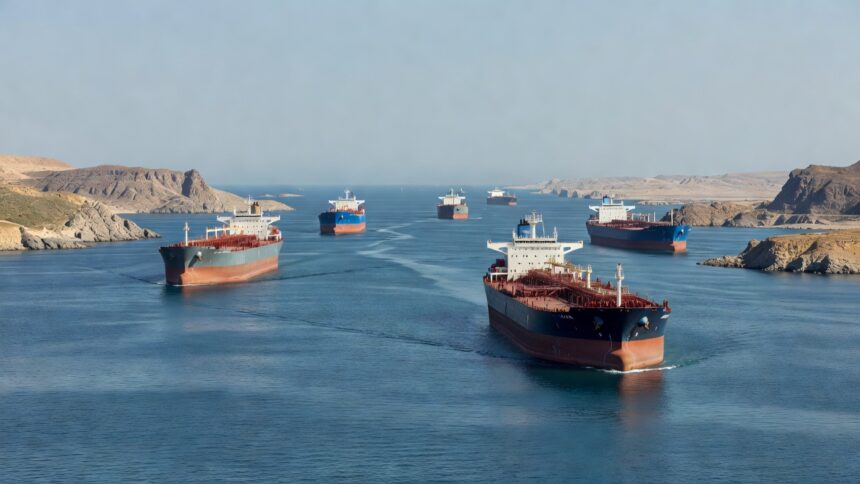
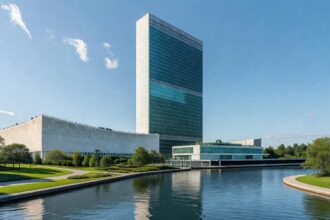
The director of the Maritime Safety Division at the International Maritime Organization told UN News that the global shipping industry is facing a genuinely unprecedented convergence of maritime crises, with vessels and seafarers increasingly used as leverage in conflicts unrelated to their operations. Damien Chevalier highlighted four active theatres of danger: the Strait of Hormuz, the Red Sea, the waters off Somalia and the Black Sea. This situation marks the first time so many vessels and seafarers have been threatened across multiple regions at once, according to the UN News interview published on September 8.
Chevalier described the crisis in the Strait of Hormuz as unprecedented in scale, with 2,000 vessels and 20,000 seafarers impacted at the beginning of the conflict. The strait carries roughly 20 per cent of the world’s oil, so any disruption there affects inflation and living costs globally. Both the Strait of Hormuz and the Black Sea are critical for fertilizer shipments, while the latter is essential for grain exports, placing food security at stake, he added.
United Nations Secretary-General António Guterres has warned that maritime chokepoints must never become instruments of coercion, stating that disruptions in areas including the Strait of Hormuz, Bab al-Mandab and the Black Sea have turned the global food supply into collateral damage from various conflicts. In remarks last month, Guterres noted that oil prices remained about 33 per cent higher since the start of related tensions, while global container rates stood 84 per cent above levels from a year earlier. These shifts have sharply increased costs for food, fertiliser and other essentials, compounding pressures on vulnerable populations worldwide.
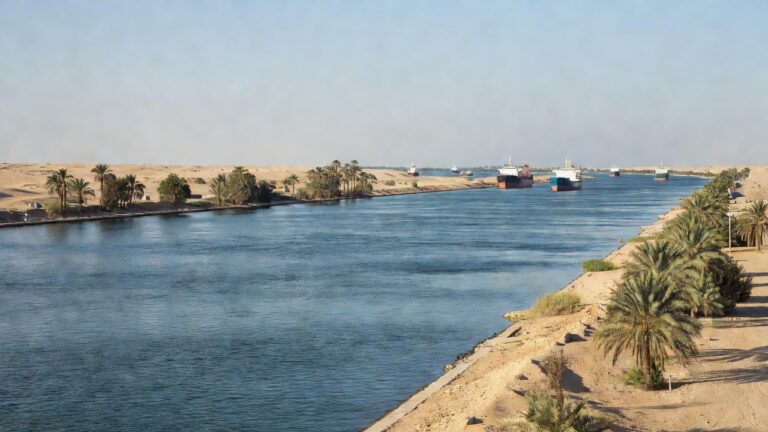
The International Maritime Organization has recorded a notable rise in piracy and armed robbery at sea, with incidents surging in regions such as Southeast Asia according to data shared in recent UN briefings. A UN Conference on Trade and Development assessment of maritime transport last year described the environment as uncharted waters, citing sustained disruptions not witnessed since the 1967 closure of the Suez Canal. The report also flagged structural changes in energy trade and greater risks around chokepoints handling critical minerals essential for clean energy transitions.
Chevalier outlined how the shipping sector has proved resilient yet faces growing complexity from poly-criminality, cyberattacks and geopolitical tensions that exploit maritime routes. The IMO is collaborating with member states on enhanced safety protocols, information sharing and protective measures for crews caught in these crossfires. International rules, including those under the United Nations Convention on the Law of the Sea, must be consistently applied to prevent further fragmentation of global shipping networks.
More than 80 per cent of world commerce travels by sea, with a workforce of around 1.9 million seafarers moving over 12 billion tonnes of goods annually, according to IMO assessments. Leading maritime nations grouped in the Consultative Shipping Group have cautioned that accumulating disruptions, shadow fleets and discriminatory measures risk embedding a two-tier system in global trade. Experts have separately warned that a full halt in maritime transport could trigger economic collapse within 90 days, underscoring the sector’s role as critical infrastructure for energy, food and overall stability.