ع



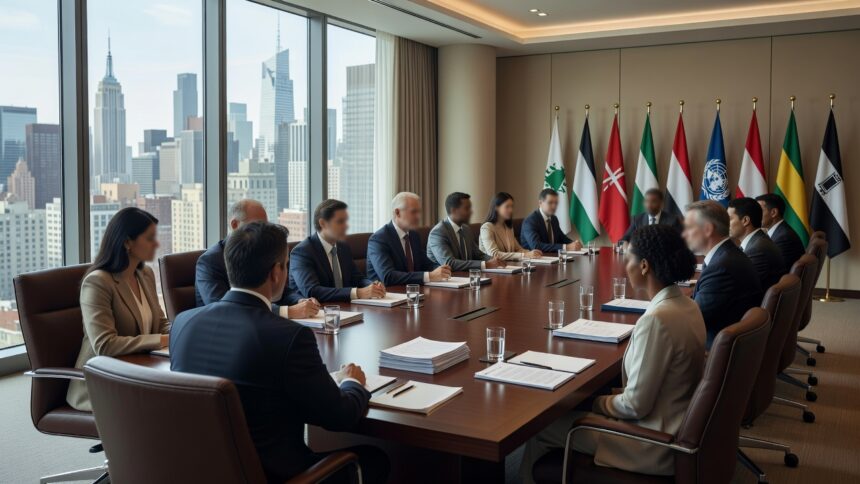
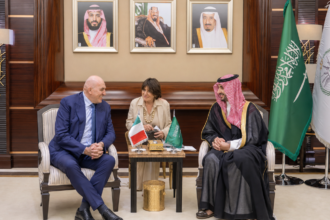
The meeting brought together foreign ministers and senior diplomats from across the Arab world to assess ongoing collaborative initiatives and strengthen coordinated responses to shared challenges. Discussions focused on enhancing the effectiveness of joint Arab positions within multilateral forums, particularly in light of current geopolitical developments. The Arab League secretariat described the session as an opportunity to reinforce unity and identify practical steps for future cooperation among member states.
Held on the sidelines of the United Nations General Assembly, the gathering allowed participants to engage directly with international counterparts while reviewing internal mechanisms for policy alignment. A senior Arab League official stressed the value of regular consultative meetings in maintaining momentum on collective priorities ranging from political solidarity to economic partnerships. The session built upon outcomes from previous Arab summits and ministerial conferences aimed at addressing persistent regional concerns.
The Arab League, founded in 1945 with 22 member states, routinely organizes such meetings during major international gatherings to ensure cohesive Arab representation. These sessions have historically served as platforms for debating responses to conflicts, development goals and global economic shifts. League records indicate that similar consultative formats have been employed during past UN assemblies to facilitate swift decision-making among member delegations.
Participants examined progress on implementing earlier resolutions related to joint action across political, security and socioeconomic tracks. The meeting also touched on coordination regarding upcoming UN agenda items of particular relevance to Arab countries. According to the Arab League, attendees reaffirmed their commitment to ongoing dialogue as a means of advancing common interests on the global stage.
Further deliberations highlighted the importance of integrating economic cooperation into broader joint action frameworks. The organization has long promoted intra-regional trade and investment as pillars of collective resilience. Officials noted that sustained ministerial-level engagement remains central to translating agreed principles into tangible programs benefiting member populations.