
 ع
ع


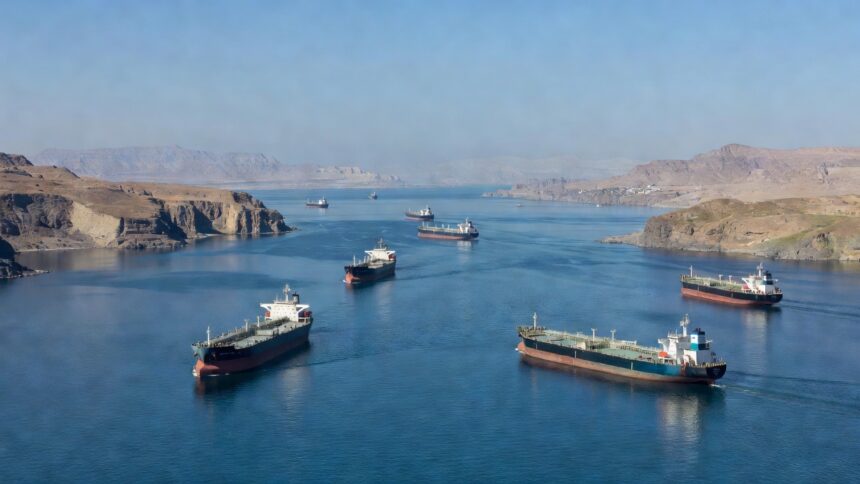
In an interview with Al Arabiya Business following the release of quarterly results, Saudi Aramco President and CEO Amin Nasser warned that the impact of the Strait of Hormuz crisis reached beyond energy markets to affect global food security. He described the closure of the Strait of Hormuz as “the largest oil supply shock in history.” Global markets had lost more than 2.6 billion barrels of supplies since the crisis began, Nasser said. The executive highlighted how geopolitical developments in the region had significantly affected energy markets overall.
Nasser pointed to the company’s ability to maintain strong financial and operational momentum despite the challenges. Saudi Aramco reported a 44 percent increase in second-quarter net profit to $32.69 billion for the three months ended June 30, compared with $22.67 billion a year earlier, according to the company’s results. The chief executive noted that the firm maintained one of the strongest financial positions in the industry along with a sustainable and increasing base dividend. This performance reflected a clear focus on strategic growth objectives even in periods of uncertainty.
The Aramco chief explained that the company had drawn on its extensive operational infrastructure to redirect supplies through alternative routes. Saudi Aramco has several export outlets and options beyond the Arabian Gulf and the Red Sea, he added in the interview. This flexibility allowed the company to continue operations effectively amid the disruptions.
According to Nasser, Aramco played a central role in limiting the impact of the crisis on global markets. The company relied on its operational flexibility, advanced strategic planning and contingency measures as well as its ability to efficiently manage production and distribution. These efforts helped stabilize supplies during the exceptional challenges facing energy markets.
The crisis that has affected the Strait of Hormuz since May has seen more than 600 ships trapped inside the Persian Gulf with another 240 waiting outside, earlier statements from the executive indicated. Industry assessments have shown that the waterway normally carries a significant portion of global oil and liquefied natural gas shipments critical to multiple continents. Disruptions have compounded existing pressures on international supply chains.
A 2026 report from the Food and Agriculture Organization of the United Nations highlighted how the Persian Gulf serves as a major hub for fertilizer production and exports with the region accounting for 30 to 35 percent of global urea exports and 20 to 30 percent of ammonia exports. Up to 30 percent of internationally traded fertilizers normally transit the Strait of Hormuz, the assessment found. Such interruptions risk higher costs for agricultural inputs worldwide and could undermine food security in import-dependent nations.
Nasser affirmed that “even during periods of uncertainty, the company remains committed to its long-term priorities, and that disciplined execution, coupled with more efficient and reliable operations, has contributed to its profitability.” The executive said Saudi Aramco would continue focusing on these objectives while leveraging its strengths to support market stability.