
 ع
ع


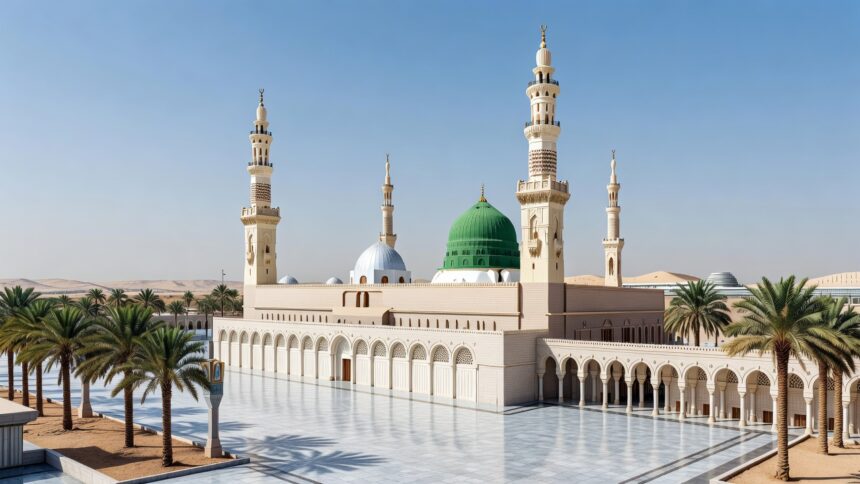
The Al-Madinah Al-Munawwarah Research and Studies Center organized a session this week that examined the layered history of Madinah’s most revered mosques, according to a report from the Saudi Press Agency. Participants reviewed how these structures have served as centers of learning and worship since the early days of Islam, shaping both religious practice and urban identity in the holy city. The gathering underscored ongoing academic efforts to document architectural evolution and scholarly contributions tied to these sites, drawing on archival records maintained by national research bodies.
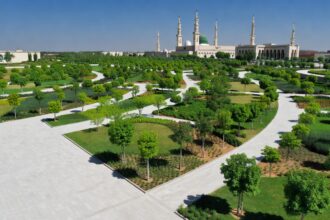
Madinah’s Al-Masjid an-Nabawi stands as the focal point of the discussion, with records from the Saudi Commission for Tourism and National Heritage indicating it receives more than 15 million visitors annually outside of Hajj periods. The mosque has undergone multiple expansions, the latest of which increased its capacity to accommodate up to one million worshippers simultaneously during peak times. Scholars at the session traced its development from the original structure built by the Prophet Muhammad to its current form featuring advanced climate control and expansive prayer halls that blend historical design with contemporary engineering.
Quba Mosque, recognized as the first mosque established in Islamic history, also featured prominently in the presentations, according to the center’s summary. Located on the outskirts of Madinah, the site holds particular importance for its association with the Hijra migration and is visited by thousands of pilgrims each week who seek to replicate the Prophet’s practice of praying there. The research center’s assessment noted that restoration projects completed in recent years have preserved original stonework while integrating modern safety standards required under national heritage regulations.
Al-Qiblatain Mosque received attention for its unique architectural distinction of having two prayer niches, one oriented toward Jerusalem and the other toward Makkah following the divine command to change the Qibla direction. Data published by the Ministry of Islamic Affairs place annual foot traffic at this location in the hundreds of thousands, reflecting sustained interest from both local residents and international visitors. Experts participating in the center’s program emphasized how such mosques function as living museums that convey centuries of theological and social history to new generations.
The session forms part of a broader initiative by the Al-Madinah Al-Munawwarah Research and Studies Center to integrate academic research with public education on Islamic heritage sites. Saudi Press Agency figures show that similar forums conducted over the past two years have attracted more than 1,200 researchers and students combined. Organizers plan to publish the proceedings, which will add to existing literature on Madinah’s role as a cradle of Islamic scholarship since the seventh century.
Additional context shared during the event referenced comparative studies of mosque architecture across the Arabian Peninsula, with references to work by the King Saud University College of Architecture. These studies illustrate how Madinah’s mosques have influenced design principles adopted in later Islamic centers of learning. The center reiterated its commitment to facilitating such exchanges as part of national efforts to safeguard intangible cultural elements alongside physical structures.