

 ع
ع


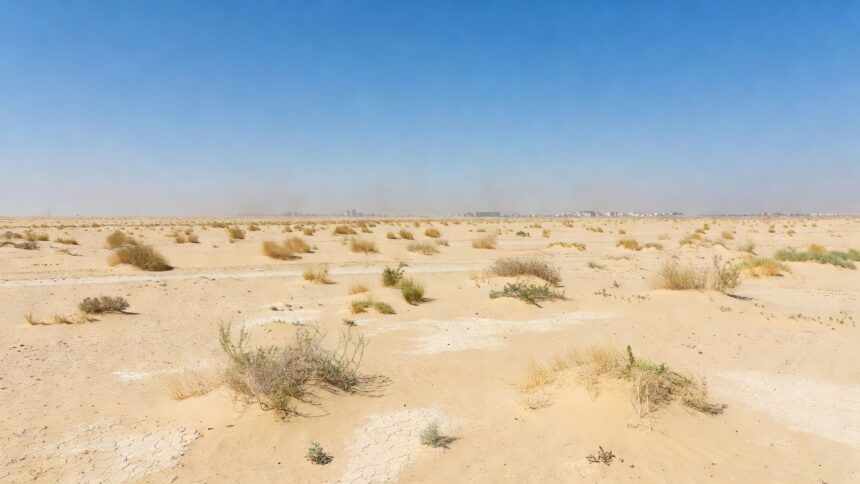
The National Center for Meteorology has forecast extremely hot weather persisting from August 1 to 8 across the Eastern Province and eastern parts of the Riyadh Region, where maximum temperatures are expected to range from 47 to 49 degrees Celsius. This outlook forms part of the center’s regular summer monitoring that highlights the potential for such spikes as the kingdom enters the final month of the season. The National Center for Meteorology relies on detailed mapping to pinpoint these areas, which have seen repeated high heat episodes in recent summers.
According to the National Center for Meteorology’s seasonal climate forecast for 2026, temperatures in these zones and neighboring governorates including Qassim, Hail and the Northern Borders are projected to run between 1 and 1.2 degrees Celsius above the long-term average during August. The assessment also points to a heightened chance of heat waves and increased electricity demand as residents turn to air conditioning for relief. Such patterns align with the center’s observations of gradually rising summer highs across Saudi Arabia over the past decade.
The forecast arrives as the Arabian Peninsula faces broader climate pressures that the World Meteorological Organization has described as pushing societies to their limits with prolonged periods above 50 degrees Celsius. A review of regional data indicates that extreme heat events have grown more frequent, correlating with higher incidences of heat-related stress during peak summer months. The National Center for Meteorology continues to track these developments using satellite imagery and ground stations to refine daily updates.
Eastern Province cities such as Dammam and Al-Ahsa routinely record highs exceeding 45 degrees Celsius in August, according to historical compilations maintained by the National Center for Meteorology. Outdoor workers in construction, energy and agriculture operating in these governorates are among those most exposed to the predicted conditions. Health authorities have in the past linked sustained temperatures near the 50-degree mark to elevated risks of exhaustion and other heat-induced ailments, though no new specific advisories accompanied this bulletin.
The National Center for Meteorology issued a comparable alert earlier in the season that similarly flagged 47-to-50-degree readings in sections of the Eastern Province through several days. Its latest projection for early August fits within an August-through-October outlook that anticipates continued above-average warmth alongside possible dust storms in exposed areas. The center shares these maps and bulletins regularly through official channels to allow government departments and the public to prepare.
Regional meteorological trends show that Saudi Arabia’s summer temperatures have climbed steadily, with some locations approaching or surpassing previous records in recent years. The National Center for Meteorology has noted that these shifts coincide with higher probabilities of heat waves that can strain infrastructure and public services. Ongoing analysis by the center will monitor whether the August 1-to-8 period exceeds even the elevated baseline now expected for the month.