ع



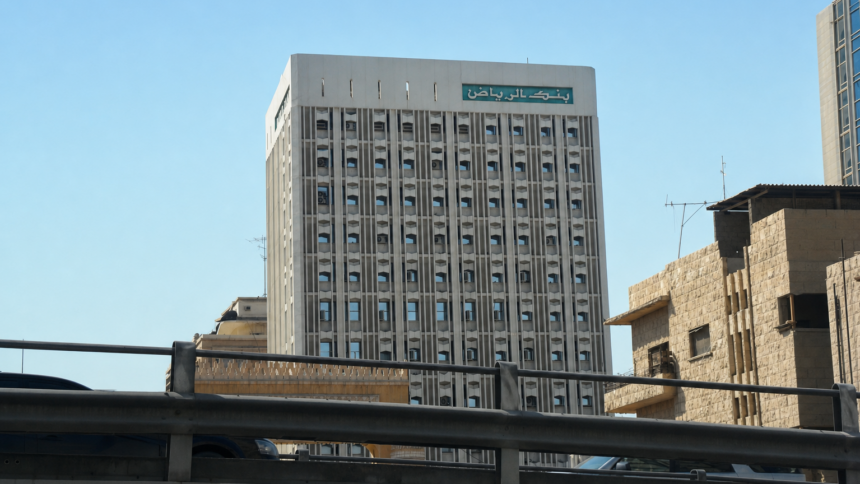
The seasonally adjusted Riyad Bank Saudi Arabia PMI rose for a fifth consecutive month above the 50 mark that separates expansion from contraction, though it stayed below the long-run trend average of 56.8. Output expanded at its fastest pace in seven months as companies benefited from stronger domestic demand and an improvement in market activity. New orders grew for the fifth month in a row even as some firms reported constraints from intense competition and excess supply.
New export orders declined at a sharper rate than in July amid continued regional tensions, the S&P Global survey showed. Employment increased for a second straight month although job creation remained modest with backlogs of work falling for a third consecutive month, pointing to spare capacity. Supply chain conditions improved further with delivery times shortening for a third month, encouraging companies to raise input purchases at the fastest rate since February.
Inflationary pressures remained marked as costs for materials, transportation and staff all increased, according to the PMI data. Output price inflation nevertheless eased to its slowest pace since March as competitive pressures limited firms’ ability to pass on higher expenses. The survey data were collected from purchasing managers between August 12 and 20.
Business confidence rebounded to a seven-month high with exactly one-fifth of surveyed companies expecting higher activity over the coming year against just 2 percent forecasting a decline. Respondents linked the optimism to resilient market conditions, fiscal support measures and a pipeline of regional development projects. This uptick in sentiment followed a period in which non-oil activity had been disrupted by broader Middle East conflict earlier in the year.
Naif Al-Ghaith, chief economist at Riyad Bank, said, “The Riyad Bank Saudi Arabia PMI rose to 53.8 in August, reaching its highest level in six months, reinforcing the view that the non-oil economy is maintaining positive momentum through the third quarter.” He added that output was moving closer to its long-run average while sustained domestic activity offered a foundation for further growth. Al-Ghaith noted that the improvement in business expectations provided a constructive signal for the remainder of 2026.
S&P Global assessments found that Saudi Arabia had led the regional recovery from earlier lows even though overall non-oil growth across the Middle East remained below pre-conflict levels. The latest PMI reading comes as the kingdom continues to diversify its economy with non-oil sectors playing a larger role in overall GDP expansion. Subsequent data showed the index rising further to 55.3 in September, building on the August momentum.