ع



The World Bank has projected a 2 percent contraction in Saudi Arabia’s real GDP for 2026 as regional conflict disrupts oil production and exports, according to its October macroeconomic update for the kingdom. Growth is then expected to rebound sharply to 7.9 percent in 2027 and average 6.6 percent across 2027 and 2028 under a baseline scenario of gradual de-escalation from early next year. The bank’s assessment noted that the oil sector would contract 17.7 percent this year before expanding at an annual average of 14 percent over the following two years while non-oil growth moderates to an average 3.3 percent through 2027 before accelerating to 5.8 percent in 2028.
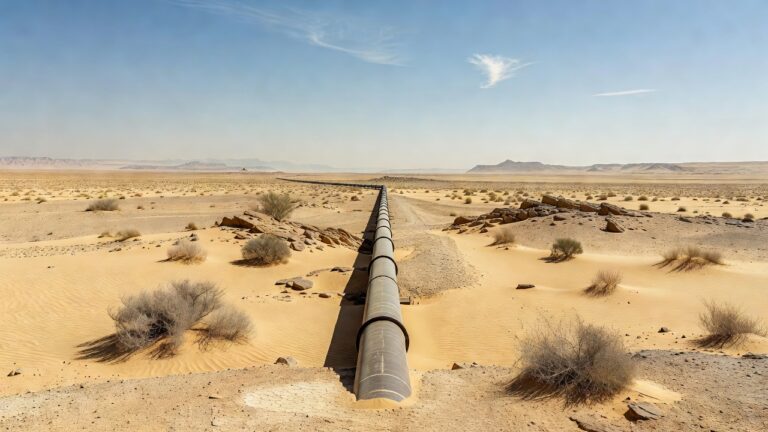
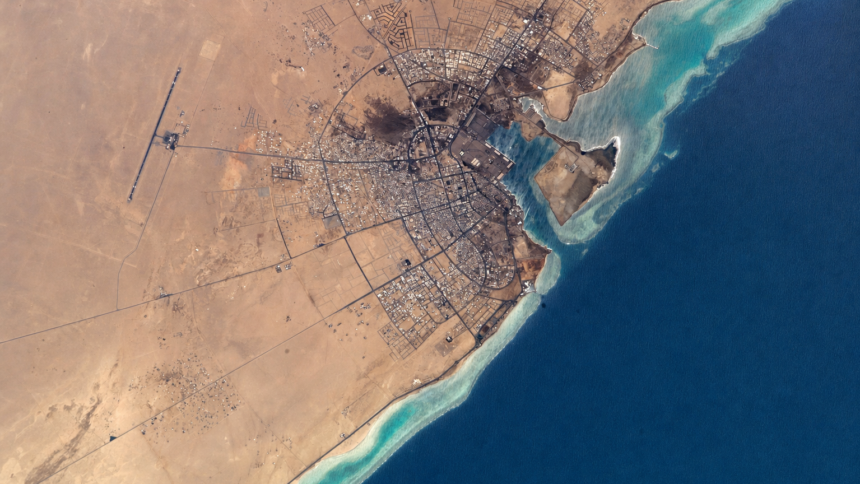
Saudi Arabia has partly mitigated the impact of disrupted shipping in the Strait of Hormuz through its East-West Pipeline, which has allowed crude exports to be rerouted to the Red Sea port of Yanbu, the World Bank report stated. The bank’s Middle East, North Africa, Afghanistan and Pakistan economic update found that the conflict’s economic repercussions have been concentrated in Gulf economies although the severity has varied by each country’s exposure to shipping disruptions, energy infrastructure damage and export redirection capacity. Regional growth excluding Iran is projected to rebound to 7.8 percent in 2027 if the conflict subsides by the end of this year, driven largely by recovering hydrocarbon production and exports.
The World Bank’s 2027 forecast for Saudi Arabia remains below the Ministry of Finance projection of 12.8 percent real GDP growth released in last week’s budget statement, which also anticipated a 3.6 percent contraction for the current year. Its country profile indicated that Saudi real GDP per capita, which stood slightly above 2019 levels in 2025, would fall below that benchmark in 2026 before the recovery lifts output. The update forms part of the bank’s broader assessment of how the current conflict has altered near-term prospects across the region following 4.6 percent growth in 2025.
Fiscal and external balances are also set to reflect the near-term pressures before improving, according to the World Bank data. The kingdom’s budget deficit is forecast to widen to 6.6 percent of GDP in 2026 before narrowing to 3.7 percent in 2027 while the current account deficit eases from 1.4 percent of GDP this year to 0.9 percent next year. Inflation is projected to rise to 3.4 percent in 2026 as higher transportation and import costs feed through before moderating to 3 percent in 2027 and 2 percent in 2028.
The bank’s projections incorporate the drag from reduced hydrocarbon output this year while anticipating a strong recovery in both oil and non-oil sectors once conditions normalize. Gross fixed capital investment, which contracted 7.4 percent in 2025, is seen expanding 11.7 percent in 2026 before a modest 1.5 percent decline in 2027 and 6 percent growth in 2028. Exports of goods and services are forecast to fall 19.7 percent this year before surging 26.4 percent in 2027 as shipping routes and production capacity are restored.
Broader diversification efforts under Vision 2030 have positioned the non-oil economy to contribute more steadily to growth even amid the current shocks, the World Bank assessment found. Services sector expansion is projected at 2.7 percent this year, 3.3 percent in 2027 and 5.9 percent in 2028 while agriculture maintains steady 2 percent annual growth. The employment rate for the working-age population is expected to hold stable at 63.1 percent through the forecast period.