
 ع
ع


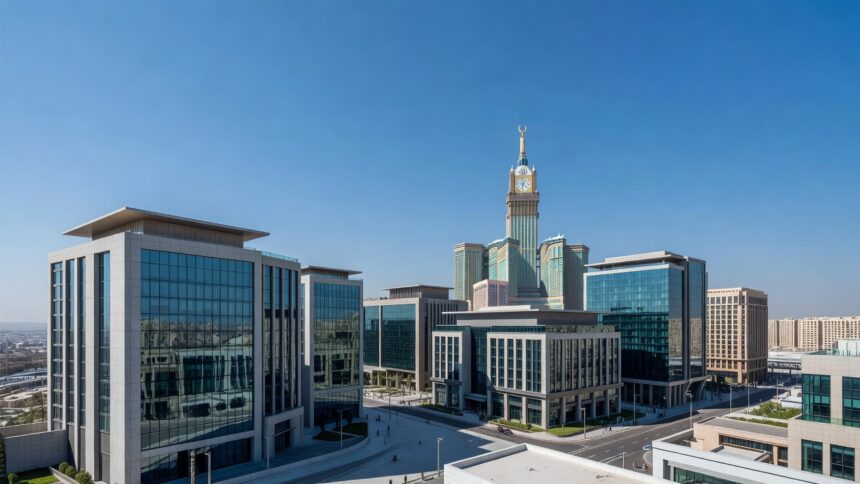
The Ministry of Tourism announced updates to the regulations governing Hajj season accommodation activities along with revised licensing and classification standards and a schedule of violations applicable to hospitality facilities in Makkah and Madinah. The changes aim to improve the preparedness of accommodation providers and raise overall service levels for pilgrims. According to the ministry the measures will apply to the 2027 Hajj corresponding to 1448 AH.
Nasr Alansari the ministry spokesperson said the updates are intended to strengthen the regulatory and operational framework and ensure that facilities are fully prepared before commencing operations and receiving pilgrims. The requirements centre on verifying operational readiness meeting safety and maintenance standards ensuring continuity of essential services and complying with all operational rules for a safe and organised stay. A ministry statement described hosting pilgrims as a shared national responsibility rooted in the kingdom’s historical legacy.
Classification standards divide eligible properties into economy and first-class categories each with detailed specifications covering common areas rooms reception zones cleanliness maintenance and guest services. The ministry developed these criteria to deliver a safe and enriching experience that reflects Saudi Arabia’s commitment to hospitality. Providers must address all listed aspects to secure approval for the coming season.
Multiple stages of inspection and oversight will occur before licensing prior to the start of operations and continuously throughout the Hajj period. The ministry called on operators seeking licences for 2027 to begin fulfilling requirements immediately and complete all necessary maintenance before submitting applications. Early preparation will help avoid last-minute issues and support smoother pilgrim flows.
The General Authority for Statistics reported that the 2026 Hajj season drew a total of 1 707 301 pilgrims including more than 1.5 million from abroad. Saudi Vision 2030 data places the kingdom on track to receive 150 million annual visitors by 2030 after surpassing its original 100 million target seven years early with tourism now contributing toward a 10 percent share of GDP. The Pilgrim Experience Program under the vision has elevated standards across religious tourism to accommodate this expansion.
Updated oversight by the Ministry of Tourism now encompasses all forms of temporary lodging in the holy cities for the first time intensifying field monitoring during the pilgrimage. This builds on prior inspection campaigns that exceeded 19 000 checks on accommodation facilities in preparation for recent seasons. The ministry continues to align its regulatory framework with international best practices to support sustainable growth in the sector.