ع



The King Abdullah Petroleum Studies and Research Center said its researchers received two best paper awards at the 25th WPC Energy Congress. Olivier Durand-Lasserve, Abdullah Aljarboua, Ryan Alyamani and Amit Kanudia took the honor for their study titled “Petrochemicals in the Energy Transition: Insights from a Global Bottom-Up Energy Model” in the Energy Fuels and Molecules – Future Pathways track. Aayushi Awasthy earned recognition for her paper “Carbon Finance for Clean Cooking in Africa: Comparing Methodologies, Market Models, and Mitigation Outcomes” in the Energy Leadership – Future Pathways track. KAPSARC described the awards as recognition of technical excellence, innovation and work addressing current and emerging energy challenges.
The 25th WPC Energy Congress ran from October 11 to 15 in Riyadh under the theme “Pathways to an Energy Future for All,” according to event organizers. The gathering attracted more than 33,000 registrations from 135 countries along with 489 media representatives, the highest turnout in the congress’s 93-year history, the Saudi Press Agency reported. Saudi Arabia hosted the event for the first time, with HRH Prince Abdulaziz bin Salman bin Abdulaziz, minister of energy, delivering opening remarks alongside WPC Energy President Pedro Miras. Sessions covered artificial intelligence, digital transformation, financing, energy efficiency and resilient infrastructure.
KAPSARC participated as National Partner of the congress and served as Host Partner for the inaugural Energy Hackathon organized by the Ministry of Energy, the center stated in its announcement. Prince Abdulaziz bin Salman recognized KAPSARC for both contributions during the closing ceremony. The hackathon drew more than 6,700 participants from over 40 Saudi cities who formed more than 1,200 teams, with 35 teams advancing to a bootcamp hosted by the center from October 7 to 9. Six teams received awards across tracks focused on operational efficiency, transformative innovation and intelligent control.
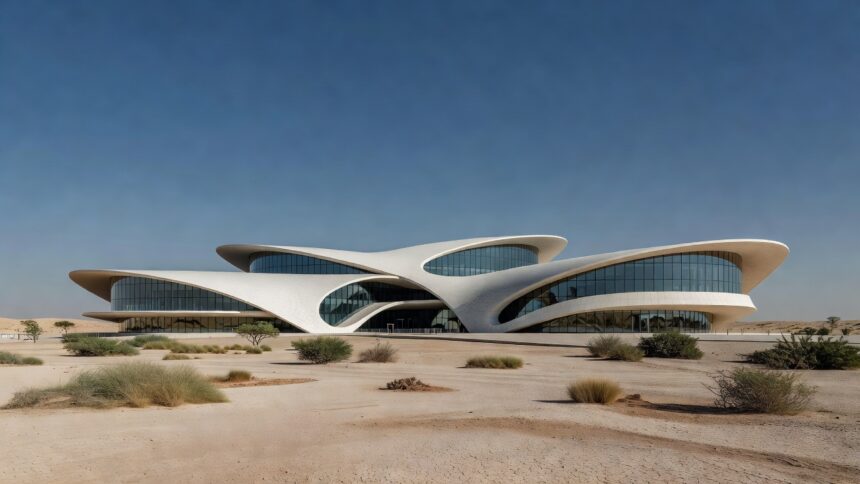
Established in 2007 as an independent non-profit institution, KAPSARC conducts research in energy economics, climate change and sustainability to inform Saudi policy and international discussions, according to the center’s official history. The organization was inaugurated in 2016 on a campus in Riyadh designed by Zaha Hadid Architects and employs more than 100 researchers from over 30 nationalities. It holds observer status with the United Nations Environment Programme and has ranked among the top global energy think tanks in assessments by the University of Pennsylvania.
The first awarded paper applies a global bottom-up energy model to explore petrochemicals’ place in the shift toward lower-carbon systems, KAPSARC said. The International Energy Agency has projected that petrochemical feedstocks will become the primary driver of oil demand growth after 2030, rising from about 15 percent of total consumption to nearly 20 percent by 2035 as transport fuel use declines. This trend reflects increasing needs for materials in electric vehicles, renewable infrastructure and other transition technologies. Demand for oil as chemical feedstock is expected to climb from roughly 20 million barrels per day currently toward 25 million barrels per day by 2050 under baseline scenarios.
Aawasthy’s study compares carbon finance approaches, market structures and emissions reduction results for clean cooking initiatives across Africa, according to the center. Such work aligns with wider efforts to expand energy access while cutting emissions from traditional biomass reliance in developing regions. The congress also featured recognition for additional research contributions, with SABIC sponsoring the best paper awards and participating in judging panels, the event organizers noted.