ع



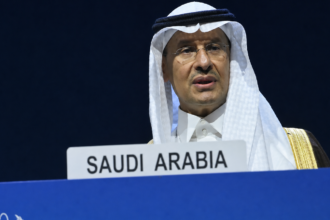
National Development Fund Governor Abdulaziz Al-Arifi disclosed at the World Petroleum Congress in Riyadh that the NDF and the Saudi Industrial Development Fund have partnered with local and international financial institutions to finance the green hydrogen project with total investments reaching SR31.5 billion. Al-Arifi noted that 12 development funds and banks coordinate under the NDF umbrella to enable major projects, expand investment opportunities and build national capabilities. The effort contributes directly to energy security and long-term sustainability across the kingdom, he added.
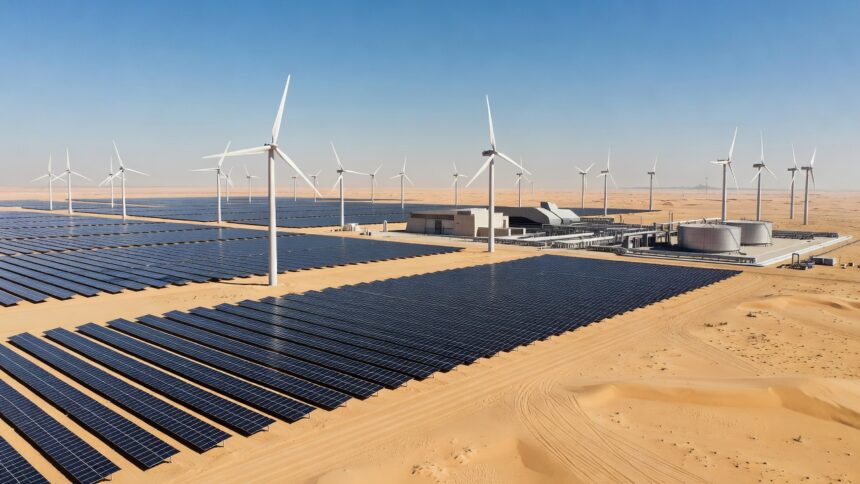
The NEOM Green Hydrogen Project stands as the world’s largest of its kind and has reached 96 percent completion with commercial operations slated to begin in 2027, according to Al-Arifi. The facility will produce up to 600 tonnes of green hydrogen per day, converting it into green ammonia for export to international markets. It has already created more than 16,000 job opportunities throughout construction and operational phases while reinforcing local supply chains and drawing additional investment.
Al-Arifi emphasized that the true value of development financing lies not only in the capital deployed but also in the opportunities generated and the tangible effects on citizens’ lives and economic prospects. “Investment in energy powers industrial activity, supports the growth of cities, strengthens business competitiveness, and improves quality of life,” he said. The integrated financing model combines public and private resources to address development priorities more effectively in alignment with national goals.
The project first achieved financial close in 2023 with an overall investment value of $8.4 billion, equivalent to SR31.5 billion, when the National Infrastructure Fund and Saudi Industrial Development Fund joined 23 financial institutions to provide non-recourse debt, a Saudi Press Agency dispatch from that period showed. That initial SR10.3 billion contribution from NDF-supervised entities helped establish the framework for what has become a cornerstone of the kingdom’s clean energy transition. Construction has since advanced steadily at the Oxagon site within NEOM.
Al-Arifi pointed out that the development financing system has enabled strategic investments, upgraded infrastructure and increased private-sector involvement while supporting similar projects in other developing nations. The approach has improved access to essential services and broadened avenues for sustained economic expansion. Such initiatives form part of a broader push to translate the kingdom’s resources into diversified growth under Vision 2030, he indicated.
Speakers at the congress have used the NEOM project as an example of how targeted financing can open new energy segments and reduce carbon emissions on a global scale. The facility will leverage approximately 4 gigawatts of renewable solar and wind power to drive electrolysis, according to project parameters Al-Arifi referenced. This positions Saudi Arabia among leaders in green hydrogen production as international demand for low-carbon fuels continues to rise.