

 ع
ع


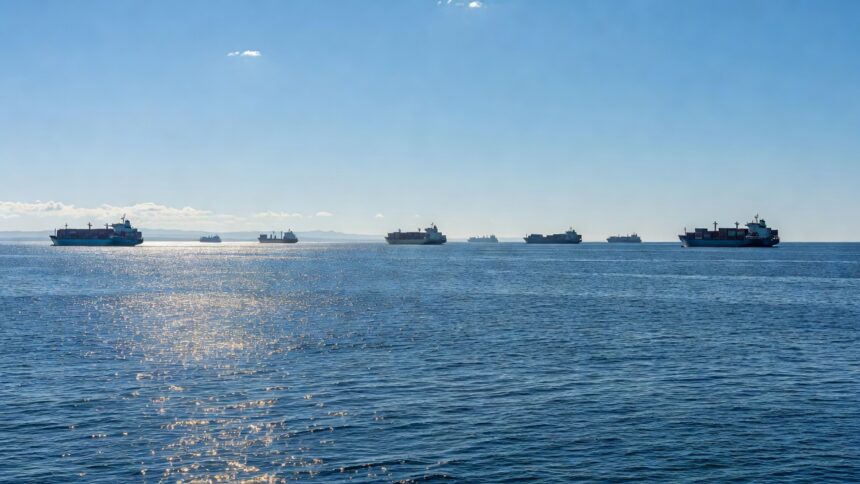
The Saudi Foreign Ministry said Prince Faisal bin Farhan spoke by telephone on July 23 with Qatar’s Prime Minister and Minister of Foreign Affairs Sheikh Mohammed bin Abdulrahman Al Thani and Jordan’s Deputy Prime Minister and Foreign Minister Ayman Safadi. The conversations reviewed recent regional developments while focusing on steps toward de-escalation and joint efforts to ensure the safety of maritime routes. According to the ministry, all participants stressed the need to strengthen security and stability across the region through continued coordination.
Sheikh Mohammed bin Abdulrahman Al Thani and Ayman Safadi joined Prince Faisal bin Farhan in underlining the importance of safeguarding freedom of navigation in both the Arabian Gulf and Red Sea. The ministers rejected any actions that could threaten international shipping lanes or undermine broader stability initiatives. The ministry’s account of the calls indicated that the discussions built on prior agreements aimed at reducing tensions that have persisted since early 2026.
A day earlier, on July 22, Prince Faisal bin Farhan held a separate conversation with Greek Foreign Minister George Gerapetritis that touched on bilateral relations between the two countries in addition to the latest regional security situation. The Saudi Foreign Ministry reported that the two officials exchanged views on ways to promote peace and address challenges affecting key waterways. Gerapetritis and Prince Faisal bin Farhan agreed that sustained diplomatic engagement remained essential to prevent further escalation.
The telephone diplomacy occurred days after Yemen’s Houthis announced a naval blockade targeting Saudi Arabia, a development that Reuters reported on July 20 had the potential to widen threats to global energy supplies and trade routes beyond the Gulf. The Saudi Foreign Ministry had previously condemned the Houthi claims, noting that such moves risked dragging Yemen deeper into regional conflict while harming civilian movement and economic conditions in affected areas. Officials have repeatedly called on the international community to enforce relevant United Nations Security Council resolutions, including those protecting navigation rights in the Red Sea.
Maritime tracking assessments cited by the International Monetary Fund show that daily vessel traffic through the Bab al-Mandeb strait has remained near 31 ships per day as of May 2026, well below the pre-crisis average of 75 ships. The sustained reduction, linked to Houthi attacks that resumed in March 2026 after a brief halt the previous October, has forced many operators to reroute around the Cape of Good Hope, adding 10 to 14 days to Asia-Europe voyages according to supply-chain analyses. These detours have driven up fuel consumption, insurance premiums and delivery costs across multiple trade corridors.
Prince Faisal bin Farhan’s latest outreach forms part of a wider pattern of Saudi diplomatic contacts on the same issues, including talks with ministers from Spain, Italy and Germany that Arab News reported on July 22. In those discussions, participants similarly emphasized preserving maritime security and opposing threats to safe passage. The Saudi Foreign Ministry has indicated that such engagements will continue as the Kingdom works with partners to contain spillover from Yemen’s conflict and maintain open sea lanes critical to global commerce.