

 ع
ع


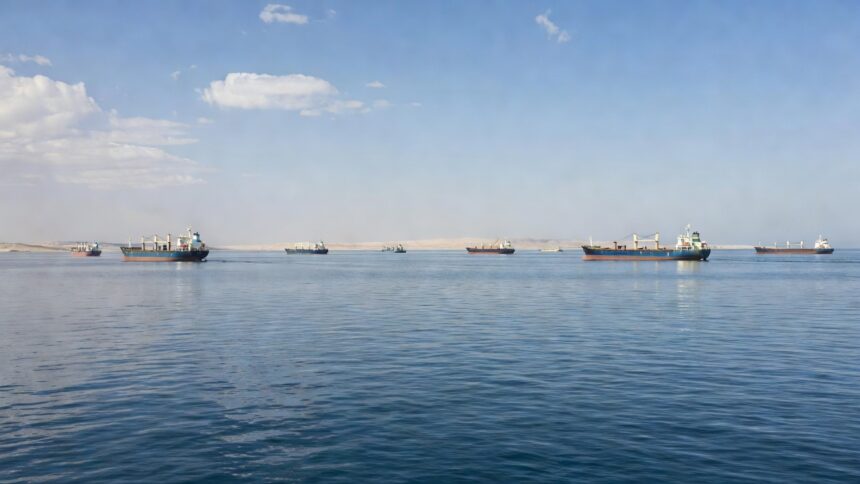
The Jordan News Agency reported that Deputy Prime Minister and Foreign Minister Ayman Safadi held the telephone conversation with Prince Faisal bin Farhan late on July 23. The two ministers examined recent regional developments while exploring ways to de-escalate tensions across the Middle East. Their talks also addressed diplomatic coordination to strengthen security and stability as well as the protection of maritime routes in the Arabian Gulf and Red Sea under international law. The discussion reflected ongoing collaboration between the neighboring countries on shared strategic priorities.
The Saudi Press Agency issued a parallel account that detailed similar topics covered in the call between the two top diplomats. Prince Faisal bin Farhan had conducted comparable conversations with his Qatari and Greek counterparts on the same day to align positions on these challenges. The ministers stressed the importance of rejecting actions that endanger safe passage through vital sea lanes critical for international commerce. Such high-level contacts form part of sustained efforts to manage volatility stemming from multiple regional flashpoints.
The two sides condemned Iran-linked attacks on targets in Yemen and Iraq that they viewed as destabilizing to the wider region. These incidents have added layers of complexity to an already fragile security environment involving various proxy actors. The ministers reaffirmed their joint commitment to countering threats that could escalate into broader confrontations. Their stance aligns with repeated calls from Arab states for non-interference in internal affairs.
A July 2026 assessment from the Security Council Report indicated that although no new Houthi attacks on commercial vessels occurred in the preceding period, threats to resume targeting ships in the Red Sea remain active. Maritime tracking data compiled by the International Maritime Organization showed daily transits through the Bab el-Mandeb Strait holding steady at around 31 vessels. This volume stays significantly below the pre-crisis average of 75 ships per day recorded before late 2023. The persistent uncertainty has forced shipping companies to maintain alternate routing plans.
Jordan and Saudi Arabia have maintained close diplomatic coordination through frequent ministerial exchanges that address both bilateral matters and wider Arab concerns. Previous discussions between Safadi and Prince Faisal bin Farhan have similarly prioritized de-escalation in the wake of conflicts affecting Gaza and neighboring areas. The latest call builds on that foundation by focusing on practical steps to safeguard navigation and reduce tensions. Officials from both capitals continue to consult regularly on unfolding events.
A 2026 forecast by Global Security Review projected that prolonged disruptions in the Red Sea corridor could keep affecting 12 to 15 percent of global trade that depends on the Asia-Europe shortcut. Rerouting around Africa’s Cape of Good Hope typically adds between 10 and 14 days to voyages while increasing fuel and insurance expenses. The two foreign ministers recognized these economic implications during their exchange as they weighed options for collective action. Their conversation underscored the interconnected nature of security and commercial stability in the region.