
 ع
ع


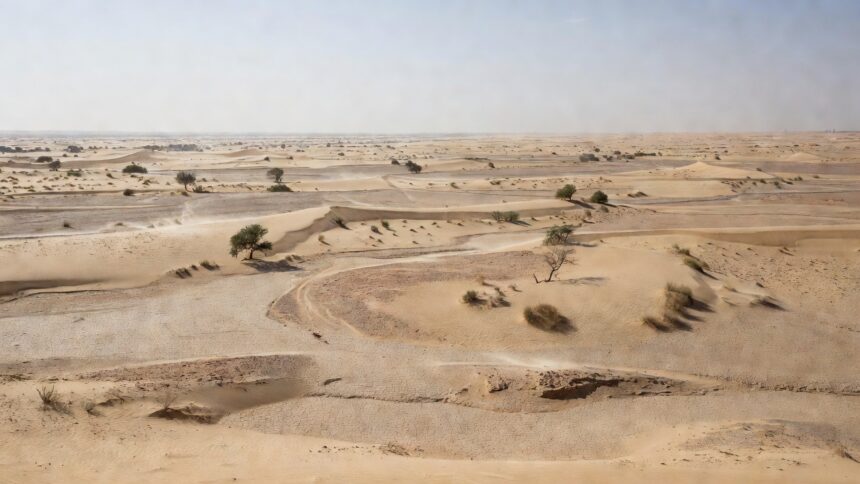
The National Center for Meteorology has forecast a sustained period of dust-stirring winds across western Saudi Arabia beginning July 29 and continuing through August 8. Affected locations include the eastern Makkah region, Madinah, Al-Baha, Asir and Najran along with the coastal road stretching from Jeddah to Jazan, according to the center. These winds are projected to lift sand and dust into the atmosphere, reducing horizontal visibility to near zero at times and posing risks to road safety and air quality. The center supported its outlook with mapping that outlines the precise boundaries of the impacted zones.
According to the National Center for Meteorology, the forecast draws on current atmospheric monitoring that has identified conditions favorable for dust mobilization over the 11-day span. Updates from the center will track any shifts in intensity as the event unfolds. Such alerts form a core element of the center’s efforts to inform both authorities and the public about emerging weather hazards in arid zones.
A World Meteorological Organization report released in July 2025 detailed the rising health and economic burdens imposed by sand and dust storms throughout West Asia, including Saudi Arabia. The WMO assessment described how major dust events in the Arabian Peninsula have triggered flight cancellations, school shutdowns and the delay of public gatherings in past instances. These episodes produced broad socio-economic disruptions that extended well beyond the immediate meteorological effects.
World Bank data places Saudi Arabia among the MENA countries that record the highest frequency of dust storms, many of them traced to dry riverbeds and expanding desertification. A 2025 study in the journal Atmosphere calculated that respiratory illnesses connected to dust exposure generated roughly 14 million U.S. dollars in costs, accompanied by more than 450 hospitalizations during the analyzed interval. The study identified aeroallergens, fungal spores and organic material within airborne particles as contributors to heightened allergy and respiratory problems.
The National Center for Meteorology operates comprehensive forecasting systems developed specifically to address prediction challenges in dust-prone desert environments. Research published in the AMS Journals outlined the multifaceted design of these NCM tools, which integrate multiple data streams to enhance warning reliability. Deployment of the systems has allowed for earlier identification of events similar to the one now projected for western provinces.
A systematic review of global health impacts linked short-term dust storm exposure to elevated mortality rates, surges in emergency department visits, hospitalizations, aggravated symptoms and declines in pulmonary function. The review compiled evidence from multiple arid-region events showing consistent patterns of acute health stress during high-dust periods. Saudi health authorities routinely reference such findings when formulating responses to seasonal dust activity.