
 ع
ع


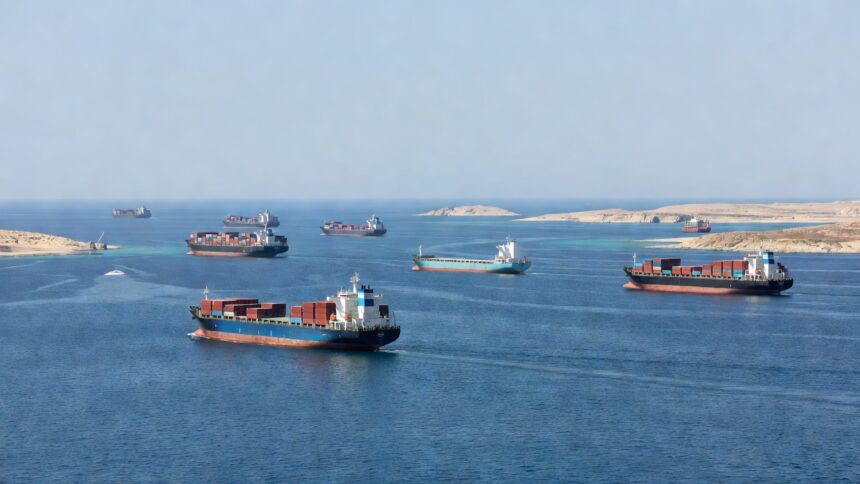
The Saudi Ministry of Defense announced that the gathering in Riyadh brought together chiefs of staff or their representatives from 43 countries along with a delegation from the European Union to examine threats to maritime security including attacks on commercial vessels and energy infrastructure. According to the ministry statement participants reviewed a proposed charter covering governance organizational structure command and control systems operational mechanisms and contingency plans for the alliance. The statement identified Saudi Arabia as the founding nation that would lead the coalition and host its headquarters in the kingdom while building on international confidence in its maritime role. Officials from the participating nations agreed to proceed with detailed technical and military planning as countries finalize their internal approvals for a formal launch.
The ministry’s joint statement received endorsement from 14 countries that committed to the initiative’s objectives. Those nations are Saudi Arabia, Kuwait, Bahrain, Qatar, Pakistan, Türkiye, Egypt, Jordan, Yemen, Bangladesh, Nigeria, Sudan, Djibouti and Somalia. The defense ministry reported that the alliance is structured as an open international defense initiative welcoming any additional countries that share its goals of strengthening security and stability across vital waterways.
Data published by the Suez Canal Authority indicates the Red Sea route typically carries around 12 percent of global seaborne trade volume making disruptions particularly impactful on international supply chains. A review by the International Maritime Bureau has tracked repeated vessel attacks in the region over recent years that have altered shipping patterns and raised insurance costs for operators. In response the ministry emphasized the alliance would focus on collective defense measures to safeguard navigation and global energy flows through the targeted corridors.
The Saudi Ministry of Defense noted that several other nations among the 51 originally invited to the meeting have expressed support and are advancing their domestic procedures to join the coalition. Participants reaffirmed their dedication to completing the establishment of the alliance through coordinated working groups on its foundational documents and procedures. The statement highlighted that the initiative centers on enhancing capabilities against threats while promoting broader regional stability without duplicating existing security frameworks.
Further discussions at the meeting outlined how the alliance would operate under Saudi leadership to address specific risks in the Bab al-Mandab Strait the Red Sea and the Gulf of Aden. The ministry added that command arrangements would enable rapid response mechanisms to protect commercial shipping and critical infrastructure in these zones. Planning continues on integrating contributions from member states to ensure the coalition’s effectiveness once fully operational.