

 ع
ع


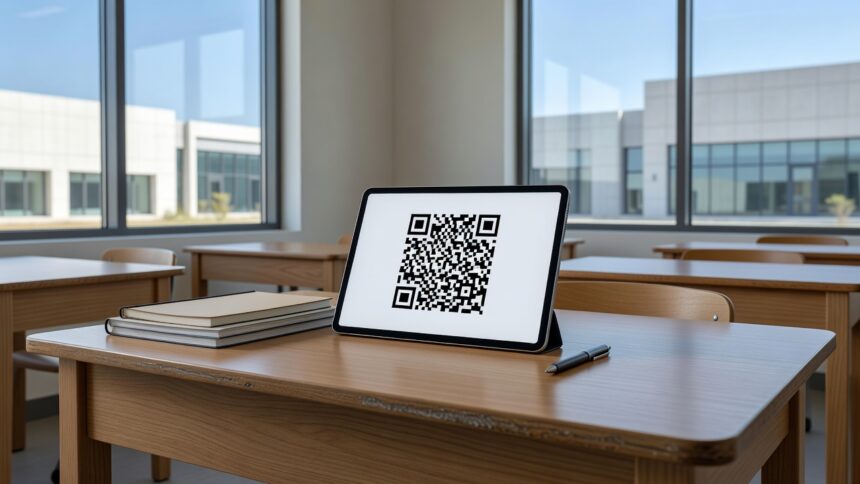
The Ministry of Education announced that male and female students across public schools can now access official digital identification cards containing key personal details such as name, nationality, national identity number, school and grade level. These electronic credentials, available via the Unified Education Portal, incorporate a QR code that allows competent authorities to verify the validity of the information quickly and securely. The development forms part of a wider push to integrate technology into daily school operations, reducing reliance on physical documents while the kingdom prepares for the academic year starting this week. Ministry officials indicated the cards will streamline identification processes both inside and outside school environments.
Additional features on the portal permit students, parents and teachers to track academic progress in real time, including access to homework assignments, periodic tests and other school-related tasks, according to the ministry. A built-in chat function supports ongoing communication among parents, educators and administrative staff, eliminating many requirements for in-person school visits. The ministry has also activated services for transferring student guardianship, registering for school buses, requesting transfers between schools and adding new guardians through the same platform. These tools aim to simplify administrative procedures for families nationwide.
Public schools are set to welcome more than six million students for the new academic year, Saudi Press Agency figures from a comparable prior period show. The digital rollout coincides with final preparations for classes beginning on August 23, 2026, as students adapt to an environment that increasingly blends traditional learning with technological tools. The ministry’s initiative builds directly on its earlier introduction of paperless certificates authenticated by QR codes, a step first implemented in 2024 that allowed employers and higher education institutions to verify documents without physical stamps or signatures.
Saudi Arabia’s broader education reforms fall under the Vision 2030 framework, which a government assessment identified as prioritizing digital infrastructure to improve service delivery and prepare citizens for a knowledge-based economy. Data from the Ministry of Education highlights the scale of transformation, with millions of students now interacting with centralized online platforms for everything from enrollment to performance tracking. Similar digital shifts have extended to an artificial intelligence curriculum reaching more than six million students starting in the 2025-2026 academic year, according to official statements compiled by education observers.
The Unified Education Portal serves as the central hub for these services, consolidating functions that previously required multiple separate applications or physical visits. By embedding QR code technology into student IDs, the ministry has created a verifiable digital record that aligns with national efforts to modernize government services across sectors. Educators and families will gain from reduced administrative burdens, while authorities benefit from faster, more reliable identity checks in educational settings. The ministry continues to expand portal capabilities in line with annual academic cycles.
Regional benchmarks underscore the significance of these changes, as Saudi enrollment in higher education among 25- to 34-year-olds reached 46 percent by 2025, UNESCO-linked government data indicates. The student digital ID program extends this momentum into the foundational levels of the education system, ensuring even younger learners engage with secure electronic records from the outset of the school year. Implementation has been timed to coincide with the academic restart, allowing seamless adoption as millions return to classrooms this week.