
 ع
ع


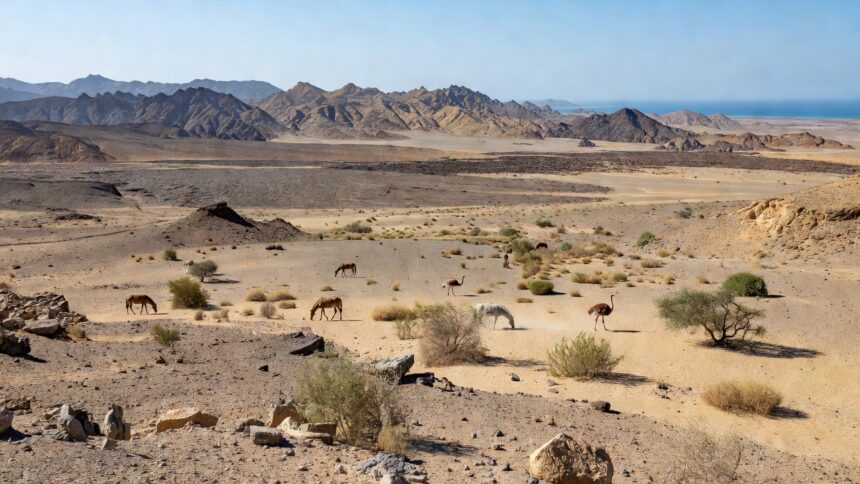
An announcement from the Prince Mohammed bin Salman Royal Reserve detailed its commitment to eventually returning the Asiatic lion as one of 23 historically occurring species targeted under the Arabian Wildlife Restoration Initiative. Reserve chief executive Andrew Zaloumis described the lion as once part of the ancient landscape of the reserve and stressed that restoring an apex predator of this scale is a generational journey, not an event tied to a specific date. Zaloumis added that the reserve is building the ecological foundations needed to make the lion’s return to its historic habitat possible in the future. The initiative has already achieved the successful reintroduction of 14 species, with six now breeding within the protected area, according to the reserve’s progress report.
The reserve’s statement noted that around 12,000 years ago during the Green Arabia period a fertile habitat corridor supported large populations of herbivores and predators including lions across what is now the Arabian Peninsula. By the late 19th century overhunting combined with the spread of modern firearms had driven the last lion populations to disappearance from the region, the announcement explained. Depictions of lions at more than a dozen rock art sites across the 24,500-square-kilometer reserve provide further evidence of their former presence in the landscape.
International Union for Conservation of Nature data classifies the Asiatic lion as endangered with recent surveys placing the global wild population at approximately 891 individuals, the vast majority concentrated in India’s Greater Gir region. A May 2025 census by Indian authorities recorded 891 lions across 35,000 square kilometers, reflecting a 32 percent increase since 2020 and continued growth from 674 in that earlier count. The reserve’s restoration work draws on such precedents of population recovery while focusing on prey species reintroduction to rebuild a sustainable food web capable of supporting predators.
According to the Prince Mohammed bin Salman Royal Reserve, species already returned such as the Arabian hare, red-necked ostrich and Persian wild ass contribute to seed dispersal, grazing regulation, nutrient cycling and soil aeration. These functions form critical building blocks for ecosystem recovery that could one day accommodate apex predators like the lion, the announcement stated. The board of the reserve, chaired by Crown Prince Mohammed bin Salman, has approved the lion for reintroduction though the project remains in the consultation phase with no release date set.
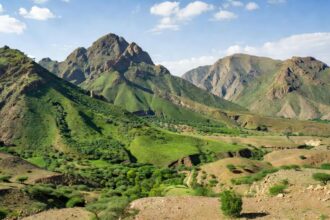
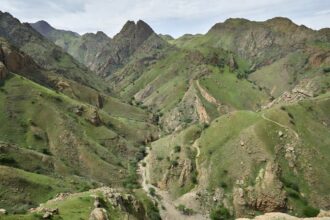
The reserve’s announcement highlighted that the broader restoration effort seeks to reduce land degradation and desertification while strengthening local resilience to climate change impacts. Prince Mohammed bin Salman Royal Reserve, one of eight such protected areas in the kingdom and the largest at 24,500 square kilometers, spans diverse desert and mountain ecosystems from volcanic plains to the Red Sea coast. Similar Saudi conservation programs have previously succeeded in reestablishing the Arabian oryx, which was once extinct in the wild, providing a model for the current initiative.
Zaloumis told reporters that the plans have received no pushback from the reserve’s board and acknowledged the challenges of integrating large predators into landscapes shared with human activity. The reserve’s work aligns with wider Gulf efforts to reverse biodiversity losses, building on decades of regional conservation that have seen Asiatic lion numbers in India rise steadily through protected habitats and community involvement. Officials continue to monitor ecological indicators as additional species are phased into the restoration program.