

 ع
ع


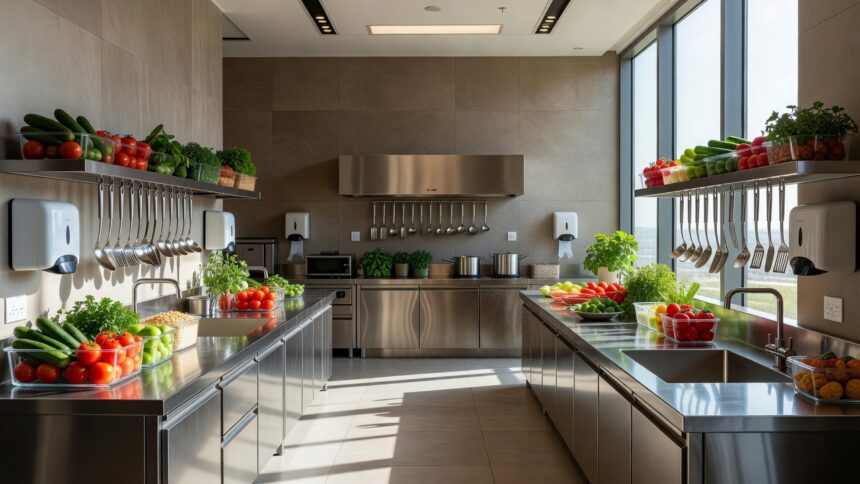
The Ministry of Municipalities and Housing reported that its municipalities inspected 97 percent of food establishments across Saudi Arabia in the first six months of 2026 while expanding the scope and frequency of field visits to secure full regulatory coverage. Inspection teams carried out regular checks at restaurants, shared kitchens and food retail outlets to verify compliance with health rules, identify any violations and apply legal measures against operators that fell short. This broad reach has strengthened the national food safety system through closer coordination with partner agencies, according to a ministry statement issued Monday. The initiative reflects ongoing work to elevate standards and respond to public health priorities.
In September 2025 the ministry worked with the Saudi Food and Drug Authority to release an updated table of food law violations that accounts for establishment size and type of activity. The revised classification seeks to apply penalties fairly while encouraging smaller businesses to meet requirements without undue hardship. Both bodies described the change as a tool to raise compliance levels and reinforce consumer safeguards, with the document now accessible on the ministry’s website for operators and inspectors alike. The timing aligned with broader efforts to modernize regulatory frameworks ahead of intensified inspection drives.
The Saudi Food and Drug Authority separately prevented entry of more than 300 tons of contaminated food during the second quarter of 2026, its figures show. The authority conducted over 300 field inspection visits to food factories in the Makkah and Madinah regions as part of targeted campaigns last year and has maintained pressure on warehouses and distribution points. These border and inland controls complement municipal work by addressing risks earlier in the supply chain, according to authority announcements. Such preventive operations have become standard in seasonal and routine oversight.
IMARC Group data places the Saudi Arabia food safety testing market at USD 252.1 million in 2025 with projections for growth to USD 480.2 million by 2034 at a compound annual rate of 7.42 percent. Rising demand for advanced diagnostics has accompanied the surge in regulatory inspections as establishments seek to meet stricter criteria. The expansion supports the thousands of outlets now subject to regular municipal review and reflects investment in technology that underpins the reported coverage gains. Consultancy assessments tie the trajectory to increasing commercial activity and regulatory emphasis.
The ministry has urged the public to report suspected violations through the unified 940 hotline or the Balady digital platform to assist enforcement teams. Community input supplements official visits by flagging issues that might otherwise go undetected during scheduled rounds. This channel has formed an integral part of the monitoring system that produced the 97 percent inspection rate in the first half of the year. Authorities continue to promote its use as a direct way for residents to contribute to food safety.
During the Hajj season the Ministry of Municipalities and Housing carried out more than 38,000 inspection tours, a separate ministry report from May 2026 stated. Those operations focused on high-volume sites and temporary facilities serving pilgrims while applying the same compliance standards used in routine municipal work. The scale illustrates how the first-half approach can be adapted for major events without compromising coverage. Records from the authority show these efforts form part of a consistent pattern of activity throughout the calendar year.