

 ع
ع


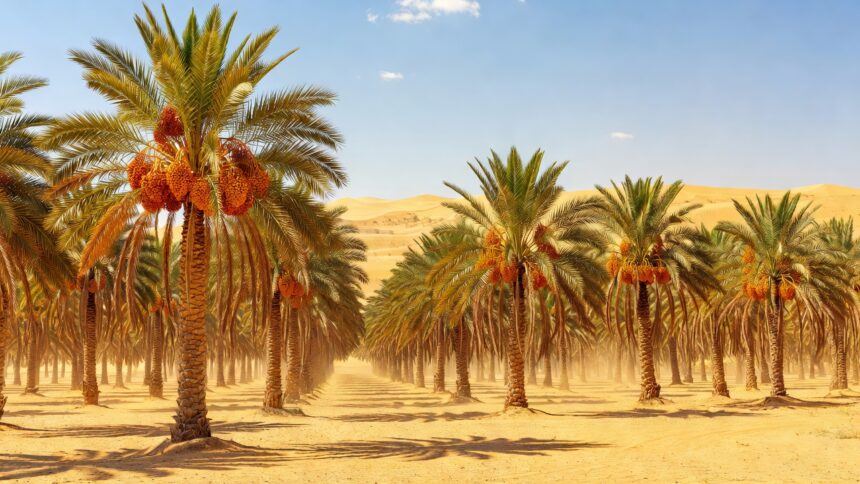
The Saudi Press Agency reported that Burjas Al-Falih, a member of the Afaq Astronomy Society, confirmed Thursday as the start of Jamrat Al-Qaydh. This onset aligns with the first day of Al-Han’ah, the second Gemini astronomical phase that spans 13 days and ranks as the fourth phase of the traditional summer season. Al-Falih noted that the period generally runs from mid-July into early August, serving as a key marker in longstanding astronomical calendars used across the Kingdom.
Jamrat Al-Qaydh is popularly known as Tabbakh Al-Tamr, or the date cooker, since the intense heat speeds the ripening of dates into the rutab stage. The phase brings hot winds, rapidly climbing temperatures and elevated humidity particularly along coastal zones. Such conditions have shaped agricultural practices and daily routines for generations in Saudi Arabia.
The National Center for Meteorology’s review of climate records from 1985 to 2025 shows July as the hottest month with an average temperature of 33.1 degrees Celsius and average daytime highs of 40.3 degrees Celsius. Data from the same center places several eastern provinces among the hottest, where temperatures regularly exceed 44 degrees Celsius during peak weeks. These figures derive from the 1991-2020 climate baseline maintained by the meteorological authority.
Extreme temperature records compiled by the National Center for Meteorology include Al-Ahsa reaching 51.3 degrees Celsius in July 2024 and Rafha hitting 51.1 degrees Celsius in July 2020. Dammam recorded 50.8 degrees Celsius on July 12, 2024, while Al-Ahsa averages 24 days above 45 degrees Celsius each July. The center’s historical station data underscore the severity that can accompany the Jamrat Al-Qaydh window.
Burjas Al-Falih urged residents through the Saudi Press Agency to adhere to official safety guidance during the period. Authorities recommend avoiding direct sunlight between noon and mid-afternoon, maintaining hydration with ample water and fluids, and watching for signs of heat exhaustion or heatstroke. The advice aligns with longstanding public health directives issued for extreme summer conditions across the Kingdom.
World Bank climate knowledge portal information drawn from the Climatic Research Unit at the University of East Anglia places Saudi Arabia’s historical temperature patterns within a broader regional context dating to 1900. Observations indicate variability across the arid interior and coastal zones, with sparse early records contributing to some uncertainty in long-term averages. The portal’s 0.5-degree resolution datasets support analyses used in national infrastructure and urban planning efforts.
The National Center for Meteorology maintains historical weather records spanning more than 75 years to inform strategic decisions and climate studies. These archives assist sectors ranging from agriculture to public safety in preparing for recurring seasonal extremes. Such data continue to guide updates to heat safety protocols issued before each summer cycle.