 ع

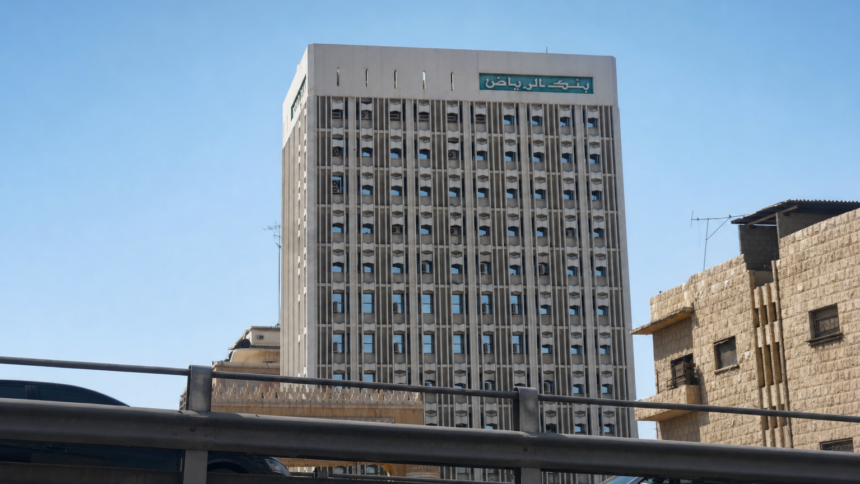
The latest Riyad Bank Saudi Arabia Purchasing Managers’ Index, compiled by S&P Global, climbed to 55.3 in September, its highest reading since February and the sixth straight month above the 50-point expansion threshold. New orders grew at their fastest pace since February, with firms citing higher client numbers, improving market conditions and a rising volume of pending projects, the survey showed. Output growth eased to a five-month low even as overall business conditions improved at a sharper rate, according to the PMI breakdown.
Employment rose at a faster clip, reaching a seven-month high as companies expanded their sales and technical teams to handle growing workloads, the report indicated. Purchasing activity also picked up while suppliers’ delivery times lengthened at the fastest rate in five months amid persistent supply-chain disruptions linked to regional geopolitical uncertainty, S&P Global noted. The data pointed to a domestically driven recovery following a softer patch in demand mid-year.
Naif Al-Ghaith, chief economist at Riyad Bank, stated that the non-oil private sector recorded its highest reading since February with the PMI rising to 55.3. “The acceleration was primarily demand-led: new orders increased at their fastest pace since February as firms reported improving market conditions, higher client numbers and stronger spending,” Al-Ghaith added in the October 5 release. The economist highlighted domestic consumption, investment activity, government and Public Investment Fund-related projects, and continued credit availability as the main drivers of non-oil growth.
Input costs increased markedly in September due to higher material and transportation expenses, with firms raising selling prices at one of the strongest rates in more than six years as they regained some pricing power, the survey found. Business confidence regarding the year ahead cooled to its lowest level since March amid concerns over regional tensions and potential further supply disruptions, according to the Future Output Index. Riyad Bank data nevertheless placed the non-oil sector’s performance ahead of several regional peers for the month.
The September expansion aligns with broader trends in the Saudi economy, where non-oil activities have been central to diversification efforts that have seen the sector contribute an increasing share of GDP in recent years, Central Bank of Saudi Arabia figures show. The PMI has now signaled improving operating conditions for more than four consecutive years, a run that has coincided with sustained government spending on infrastructure and tourism projects. S&P Global compiled the index from responses by purchasing managers at a representative panel of private sector companies across the non-oil economy.