ع



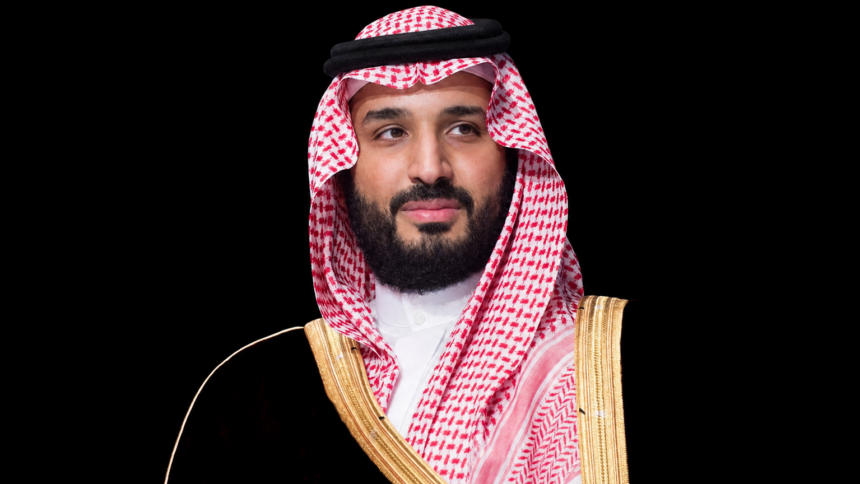
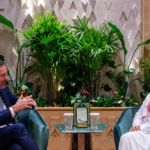
Prince Faisal bin Farhan told delegates that the world faces increasing levels of inequality and global economic turmoil that has left deep imprints on the lives of millions and led to an increase in regional and international tensions. The Saudi minister stressed that these global challenges require continuous coordination and an integrated approach that balances economic development environmental protection and financial stability. He emphasized the important role of G20 member states in leading international efforts to enhance coordination between global economic policies balanced growth sustainable investments and the development of industrial and economic policies that support stability and prosperity for all.
Despite the challenges of the global economy Saudi Arabia is continuing to work to build a sustainable global economy through its effective international partnership according to the foreign minister. The kingdom has demonstrated resilience in its non-oil sector which an International Monetary Fund assessment found grew by 5.2 percent in 2024 and 4.8 percent in the first half of 2025. This performance comes as the country advances its Vision 2030 reforms aimed at diversifying the economy away from oil dependence.
An International Monetary Fund report noted that Saudi Arabia’s economy entered 2026 with strong momentum expanding by 4.5 percent in 2025 supported by robust non-oil activity. However geopolitical tensions including conflicts in the Middle East have added uncertainty with potential impacts on oil exports and broader growth. The minister’s call for coordination aligns with broader multilateral efforts to strengthen the global financial safety net and improve debt restructuring mechanisms for vulnerable nations.
The International Monetary and Financial Committee has underscored the urgency of greater global policy coordination to limit spillovers from economic shocks. Saudi Arabia has pledged support for capacity development through a USD 279 million contribution to the IMF and the establishment of a regional office in Riyadh. This commitment reflects the kingdom’s role in fostering dialogue on challenges facing emerging market economies as seen in its co-organization of the AlUla Conference.
Global economic fragmentation poses risks to trade and development a point Saudi officials have raised in multiple forums including at the IMF and World Bank meetings. According to IMF data policymakers must prioritize rebuilding fiscal buffers and safeguarding energy security while pursuing sustainable investments. The G20 Common Framework introduced during Saudi Arabia’s presidency continues to serve as a key platform for addressing debt issues in low-income countries.
In his address Prince Faisal bin Farhan reaffirmed that G20 nations must protect the most vulnerable countries from the repercussions of financial and economic crises. The foreign minister’s remarks come as Saudi Arabia navigates its own economic path amid fluctuating oil prices and regional instability. International coordination remains essential for maintaining stability and promoting inclusive growth across developing and advanced economies alike.