
 ع
ع


The briefing detailed how Saudi Arabia recorded approximately 122 million total visitors in 2025, a 5 percent increase year on year, according to the Saudi Tourism Growth Report. International arrivals reached 30.4 million that year, reflecting an 18.2 percent rise, while tourism spending hit 300 billion Saudi riyals. These figures demonstrate the sector’s role in driving economic diversification under Vision 2030, the report showed.
According to data from the General Authority for Statistics cited in Forbes Middle East, the tourism workforce surpassed 1.04 million employees in the third quarter of 2025, up 6.5 percent from the previous corresponding period. Licensed hospitality facilities grew by 22.7 percent to more than 6,100 in the first quarter of 2026. Such expansion supports the Kingdom’s goal of creating diverse job opportunities in the hospitality and related services.
The periodical briefing also spotlighted advancements in digital infrastructure, with Saudi Arabia securing the top global position in the 2026 ICT Development Index published by the International Telecommunication Union. A report from trade.gov noted that the Kingdom invested more than 27 billion dollars in digital infrastructure over six years, enabling 100 percent penetration for both internet usage and mobile phones. This progress has facilitated the development of smart cities and e-government services across the country.
In an assessment by the Ministry of Communications and Information Technology, the digital economy continues to expand rapidly through policies promoting cloud computing and data centers. Annual spending on public cloud services is forecast to exceed 2.7 billion dollars in 2025 and reach 5 billion by 2027, according to IDC projections referenced in official guides. These initiatives form part of broader efforts to establish Saudi Arabia as the region’s primary data center hub.
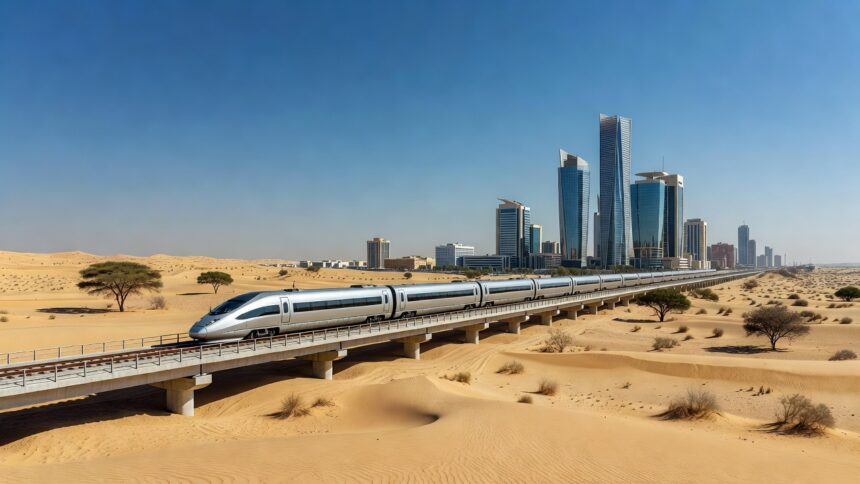
Regarding Hajj preparations, the briefing confirmed Saudi Arabia’s full readiness for the 2026 season, which saw the start of entry restrictions into Makkah from April 13. Around 1.5 million pilgrims from across the world were expected to participate in the rituals scheduled for late May, according to multiple reports on official announcements. The Haramain High Speed Railway played a key role in transporting nearly 800,000 passengers, enhancing the overall pilgrimage experience.
Officials outlined integrated services and a spiritual atmosphere designed to accommodate the large number of visitors while maintaining high safety standards. The preparations built upon lessons from previous years to ensure efficient management of the annual event. Saudi Arabia’s civil authorities coordinated extensively to deliver seamless support across transportation, health and accommodation sectors.